
Introduction: My Experience
In the fast-paced whirlwind of today’s work environment, stress seems almost inevitable. I remember a time when work stress almost got the better of me. It was during a particularly demanding project at my job. The deadlines were tight, the expectations were high, and the hours were long. Each day felt like a battle against time and exhaustion. I recall one evening, sitting at my desk, feeling completely overwhelmed. The weight of unmet targets and mounting tasks felt like a physical burden. That was the moment I realized something needed to change. From that point on, I embarked on a journey to find strategies to manage work stress effectively, and what I discovered not only helped me cope but also enhanced my productivity and job satisfaction.

Understanding Work Stress
Before diving into solutions, it’s important to understand what work stress is. Stress at work can stem from various sources: unmanageable workloads, tight deadlines, challenging relationships with colleagues, or feeling undervalued. It’s a response to pressures or threats in the workplace, and while a little stress can be motivating, too much can be detrimental to both mental and physical health.

Strategies to Combat Work Stress
- Prioritize and Organize: Start by identifying what needs immediate attention and what can wait. Create a to-do list and set realistic deadlines. Being organized can significantly reduce the feeling of being overwhelmed.
- Take Regular Breaks: Contrary to popular belief, working non-stop doesn’t increase productivity. Short, regular breaks can help clear your mind and improve focus.
- Develop a Support Network: Having colleagues or friends to talk to can make a huge difference. They can offer advice, provide a different perspective, or simply lend a listening ear.
- Set Boundaries: In today’s digital world, it’s easy to be constantly connected to work. Set specific work hours and stick to them. Disconnect from work emails and calls during your off-hours.
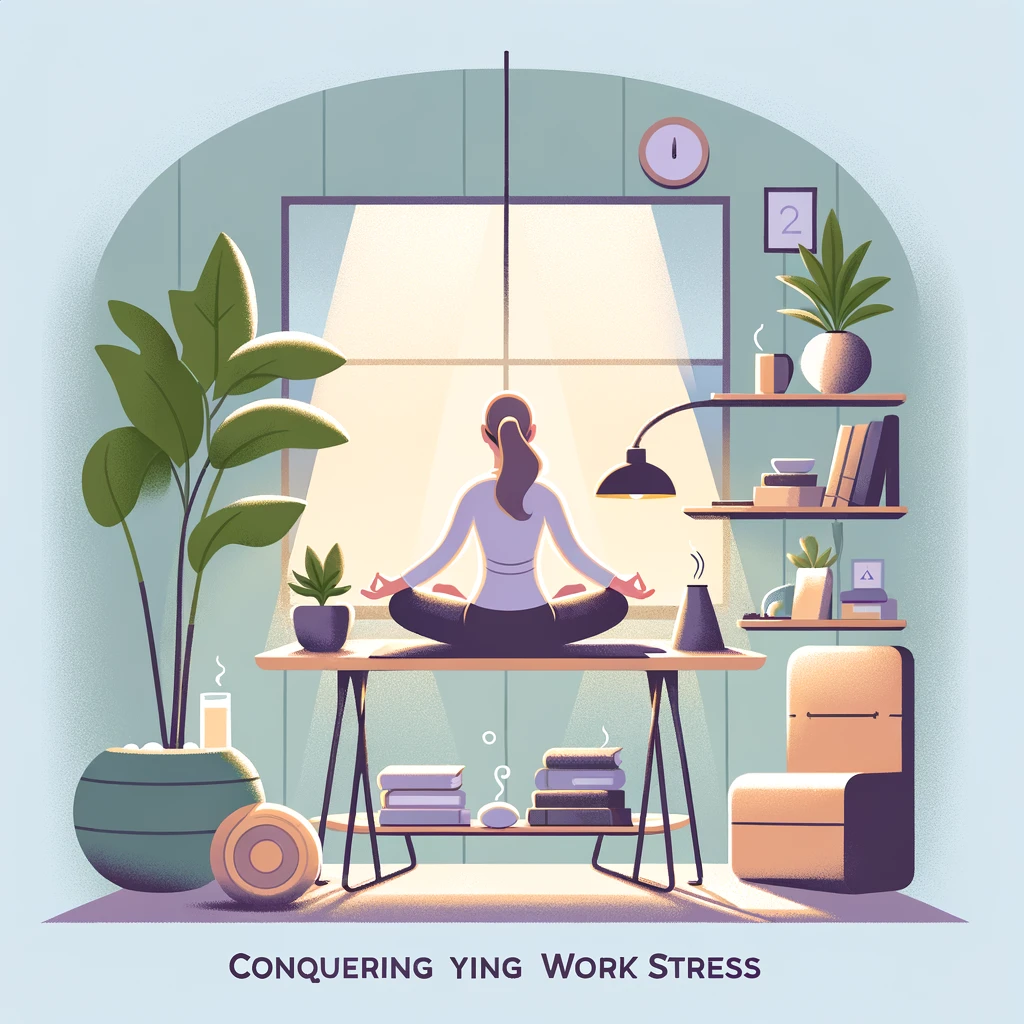
- Practice Stress-Relief Techniques: Techniques such as deep breathing, meditation, or yoga can reduce stress levels. Find what works for you and incorporate it into your daily routine.
- Seek Professional Help if Needed: If work stress becomes too overwhelming, consider seeking help from a mental health professional. There’s no shame in asking for help.
- Maintain a Healthy Work-Life Balance: Ensure you have time for activities you enjoy outside of work. Hobbies, exercise, and spending time with loved ones can rejuvenate you.
Conclusion
Dealing with work stress requires a proactive approach. By recognizing the signs of stress early and implementing effective strategies, you can not only manage stress but also improve your overall well-being and work performance. Remember, it’s not just about surviving the workday; it’s about thriving in your professional and personal life.









Comments