
My Experience
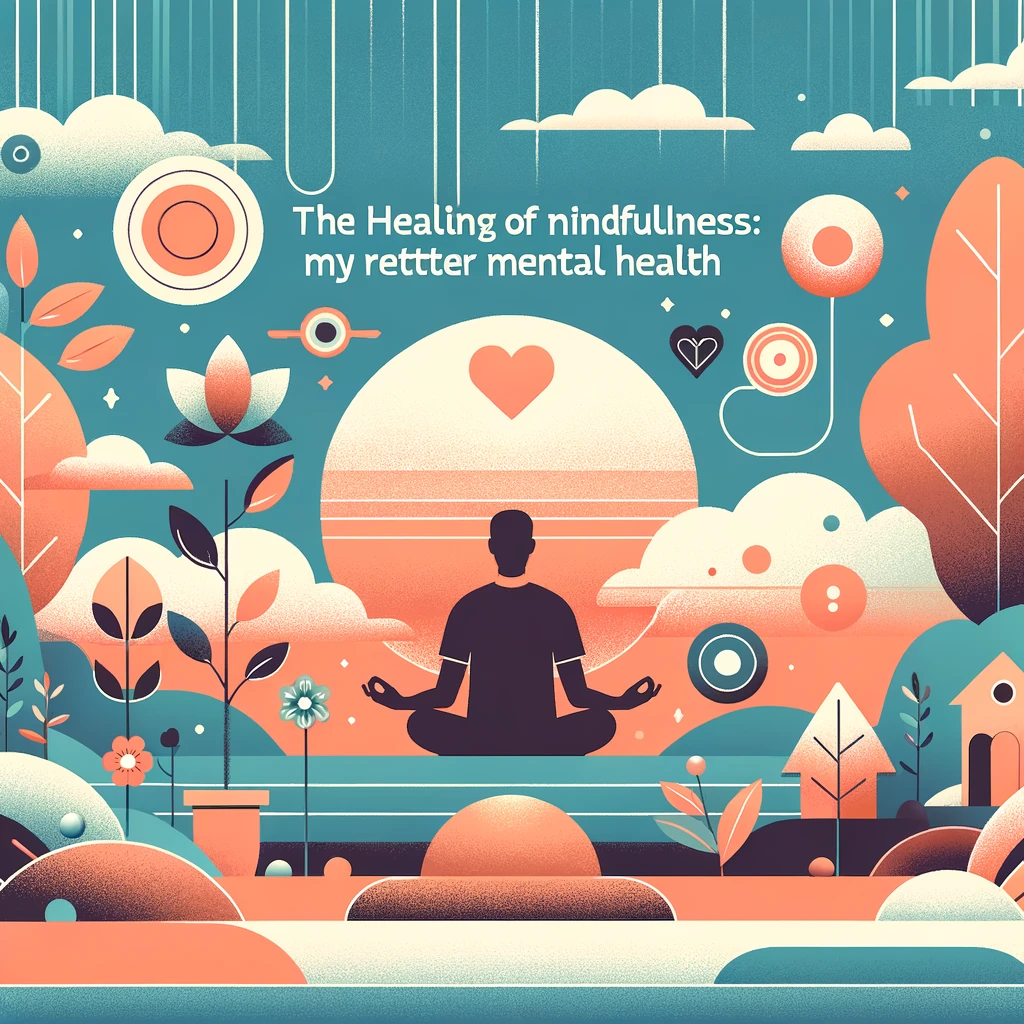
Not so long ago, I found myself entangled in the fast-paced rhythm of life, often feeling overwhelmed and disconnected. The constant pressure of deadlines, personal challenges, and the never-ending to-do list left me emotionally drained. It was during this period of turmoil that I stumbled upon the concept of mindfulness. Initially skeptical, I hesitantly began practicing simple mindfulness exercises. To my surprise, this small step marked the beginning of a profound transformation. As I integrated mindfulness into my daily routine, I noticed a significant shift in my mental health. I became more centered, calmer, and surprisingly, more productive. This personal journey inspired me to explore the powerful intersection of mental health care and mindfulness practice, a path that I believe can benefit many.
Understanding Mindfulness in Mental Health
Mindfulness, at its core, is about being fully present and engaged in the moment, aware of our thoughts and feelings without getting caught up in them. In the realm of mental health, mindfulness has emerged as a powerful tool. It’s not a cure-all, but it’s a vital component of a holistic approach to mental well-being.
The Scientific Backing
Numerous studies have demonstrated the benefits of mindfulness practices. These include reduced symptoms of anxiety and depression, improved emotional regulation, and enhanced overall well-being. Mindfulness meditation, for instance, has been shown to alter the brain’s structure and function, leading to improved mental health outcomes.
Mindfulness Techniques for Everyday Life
Incorporating mindfulness into your daily life doesn’t have to be daunting. Here are some simple techniques:
- Mindful Breathing: Focus on your breath, noticing each inhale and exhale. When your mind wanders, gently bring your attention back to your breath.
- Mindful Walking: Pay attention to the sensation of your feet touching the ground, the rhythm of your steps, and the feel of the air on your skin.
- Mindful Eating: Eat slowly, savoring each bite, and being fully present with the experience of eating.
Integrating Mindfulness into Mental Health Care
As mental health awareness grows, so does the integration of mindfulness practices in therapeutic settings. Psychologists and therapists often incorporate mindfulness techniques into treatment plans, especially for stress-related disorders.
Tailoring Mindfulness to Individual Needs
It’s important to remember that mindfulness is not one-size-fits-all. What works for one person might not work for another. Experiment with different mindfulness exercises and find what resonates with you.
Overcoming Challenges
Starting a mindfulness practice can come with challenges. It’s common to encounter resistance, impatience, or frustration. Remember, it’s a journey, not a race. Be kind to yourself and acknowledge that it’s okay to have off days.
Conclusion
My personal journey with mindfulness has taught me the importance of being present and the impact it can have on mental health. Whether you’re facing daily stress or more significant mental health challenges, incorporating mindfulness practices can be a transformative step towards better mental well-being. Embrace the journey with an open mind, and you might just find yourself on a path to a healthier, more mindful life.
Remember, this blog is not a substitute for professional mental health advice. If you’re struggling with mental health issues, please seek professional help.









Comments