Introduction: My Experience
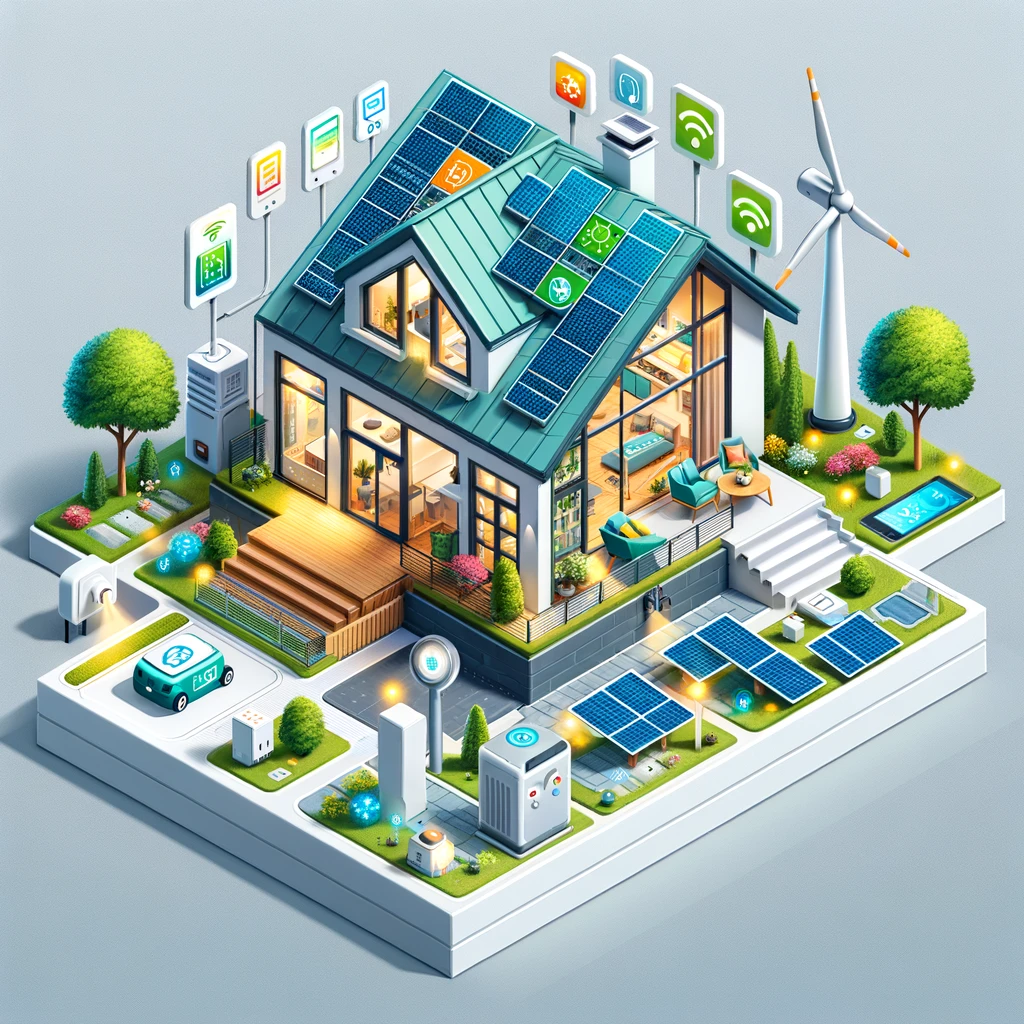
I’ll never forget the winter evening when I walked into my chilly home, only to realize I had forgotten to turn down the thermostat before leaving for work. That costly mistake not only spiked my energy bill but also made me wonder: How can I make my home more energy-efficient and comfortable? This led me down the path of transforming my home into a smart, energy-saving haven. From smart thermostats to energy-efficient lighting, the journey has been both enlightening and rewarding. In this blog, I’ll share how you can do the same, combining the convenience of a smart home setup with practical energy-saving tips.
1. Embracing Smart Home Technology
Smart Thermostats: A game-changer in energy efficiency. These devices learn your schedule and adjust temperatures accordingly, reducing heating and cooling costs. I’ve experienced significant savings since installing one.
Automated Lighting: Switching to LED lights and using smart lighting systems can reduce electricity usage. You can program lights to turn off automatically when not needed or control them remotely.
Smart Plugs and Power Strips: These devices let you remotely control appliances, ensuring they’re off when not in use. It’s a simple yet effective way to cut down on ‘vampire energy’ – the power consumed by electronics when they’re turned off but still plugged in.
2. Incorporating Renewable Energy Sources
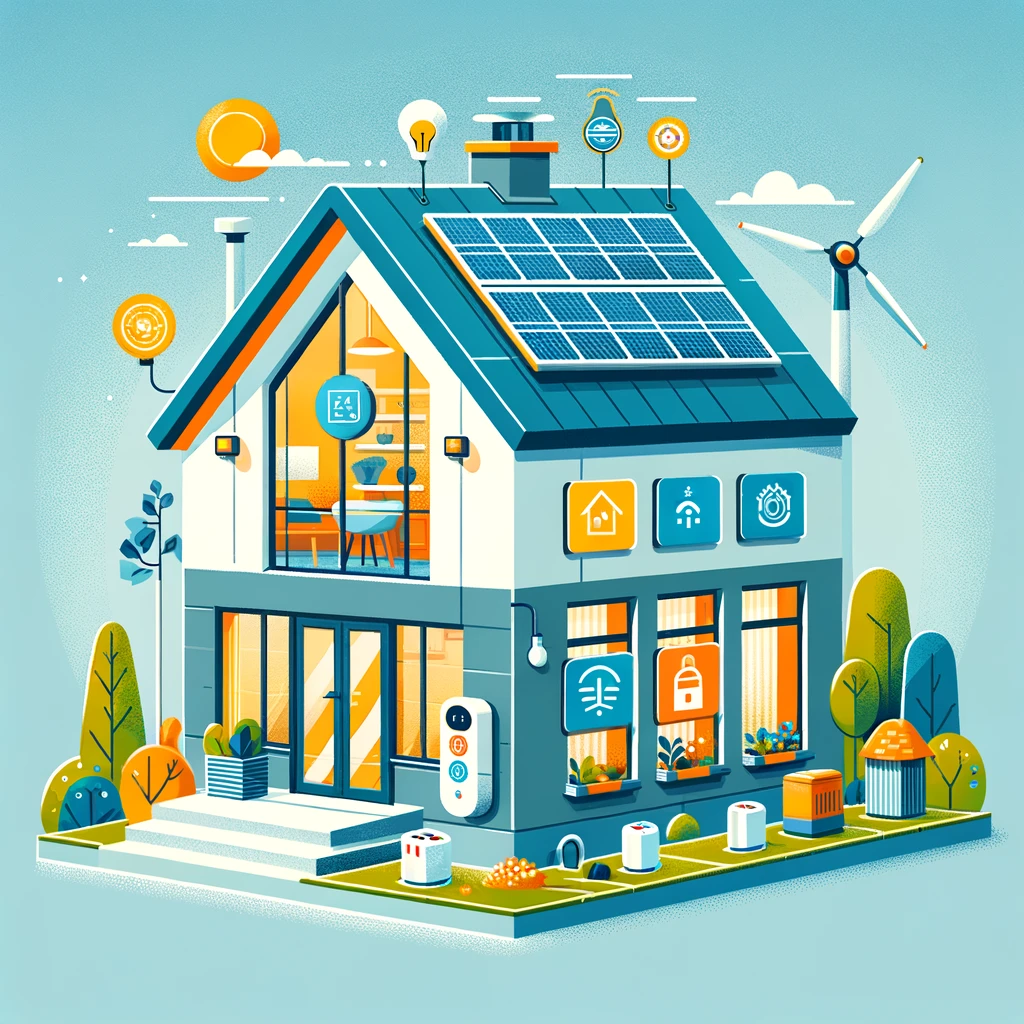
Solar Panels: While the initial investment might be high, solar panels can drastically reduce your electricity bills in the long run. Plus, many governments offer incentives for solar panel installation.
Wind Energy: For those living in windy areas, small wind turbines can be an effective way to generate renewable energy.
3. Enhancing Insulation and Sealing
Insulation: Proper insulation keeps your home warm in winter and cool in summer, reducing the need for heating and cooling. I noticed a significant difference in comfort and energy bills after upgrading my home’s insulation.
Weather Stripping and Caulking: Sealing gaps around doors and windows can prevent heat loss and reduce energy costs.
4. Smart Water Management
Low-Flow Fixtures: Installing low-flow showerheads and faucets can significantly reduce water usage.
Smart Irrigation Systems: These systems optimize water usage for your garden, preventing wastage.
5. Regular Maintenance and Upgrades
HVAC System Maintenance: Regular maintenance of your heating, ventilation, and air conditioning system ensures it runs efficiently.
Energy-Efficient Appliances: When it’s time to replace appliances, choose energy-efficient models that save electricity and water.
Conclusion
Transforming my home into a smart, energy-efficient space has not only reduced my carbon footprint but also my utility bills. The journey to a smarter, more sustainable home is ongoing, but the benefits are immediate and long-lasting. By adopting some of these practices, you too can enjoy the comfort and savings of a smart, energy-saving home.
Remember, transforming your home into a smart, energy-efficient haven is a journey that pays off in comfort, savings, and sustainability. Start small, and gradually build your way up to a fully optimized home. Happy saving!









Comments