
My Experience
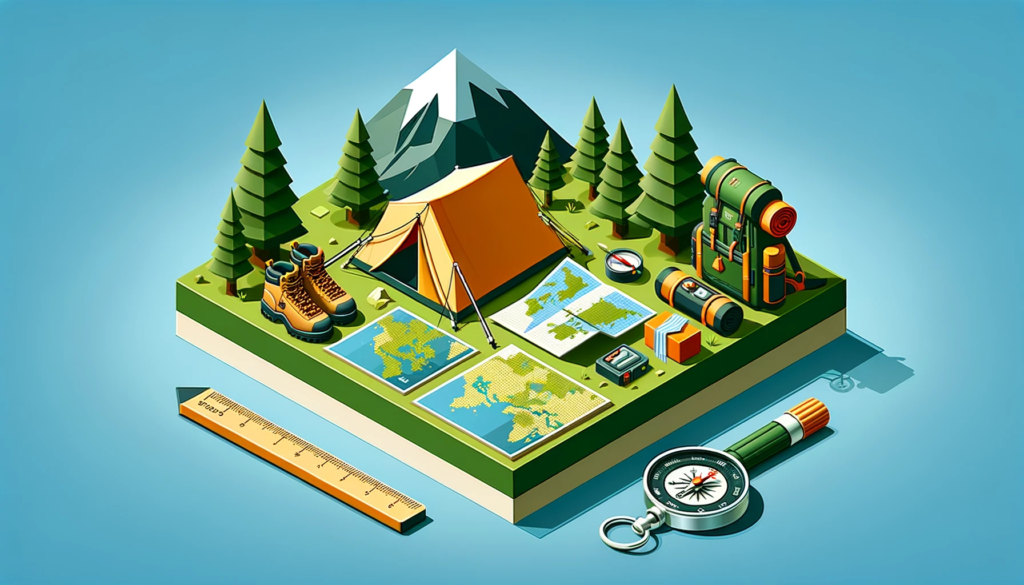
There’s something magical about escaping into the wilderness, isn’t there? I still vividly remember my first camping and hiking trip. It was a blend of excitement, apprehension, and a whole lot of learning. I had packed my backpack with what I thought were essentials, only to find out halfway through the hike that I had missed some crucial items. There I was, in the heart of the mountains, wishing I had paid more attention to my gear and preparation. This experience taught me the importance of proper planning and having the right equipment. In this blog, I’ll share not only essential tips and gear recommendations but also some personal insights to help you make your next camping and hiking trip a breeze.
1. Start with a Plan
Know Your Destination: Research your camping and hiking location. Understand the terrain, weather patterns, and any potential hazards like wildlife or challenging trails.
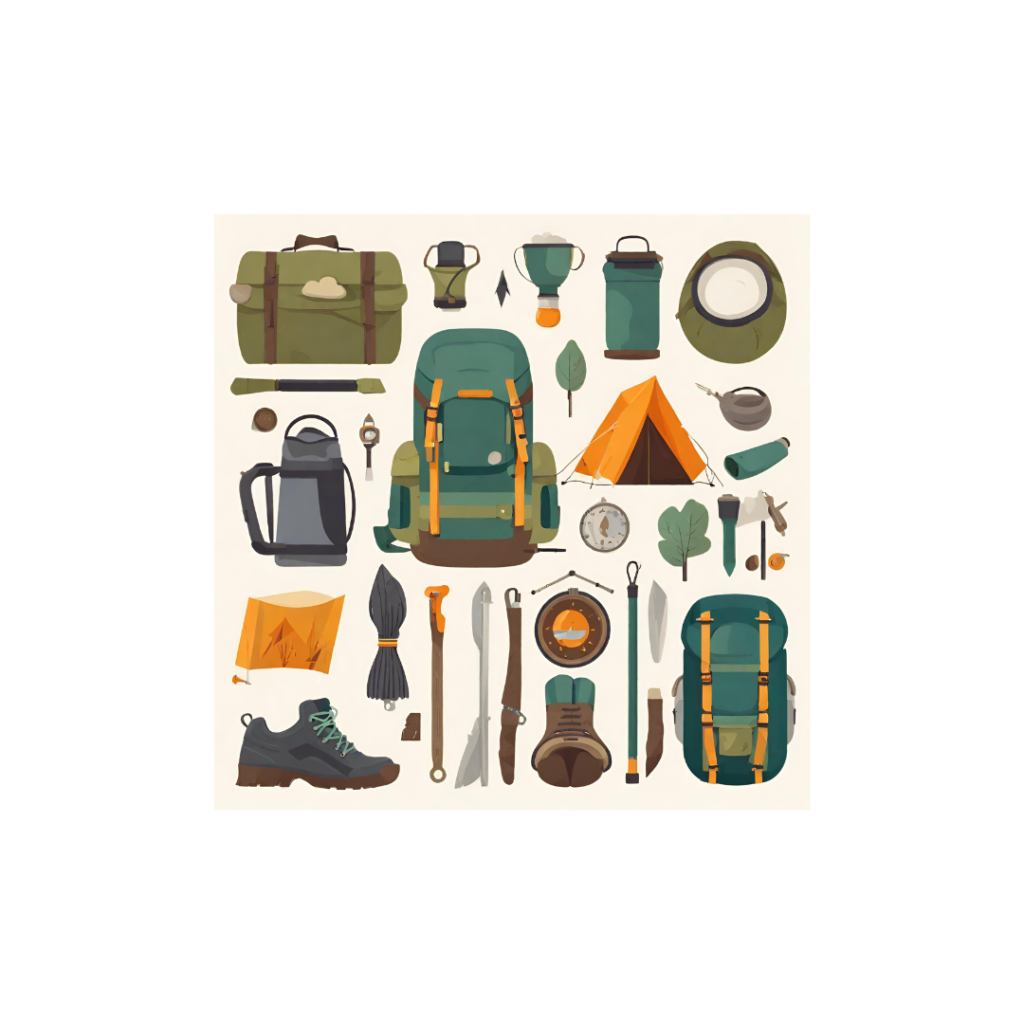
Create a Checklist: Having a comprehensive checklist is crucial. It should include all your gear, food, emergency supplies, and personal items.
2. Essential Camping Gear
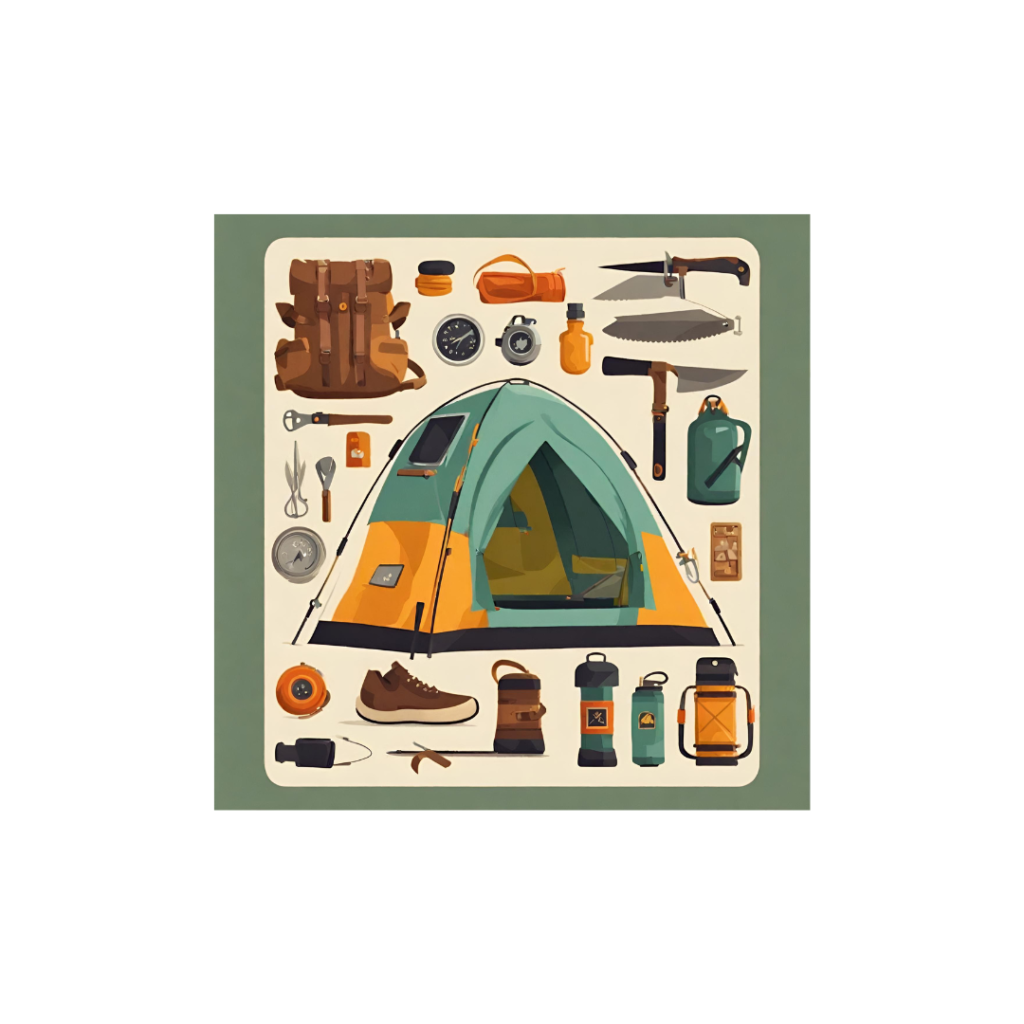
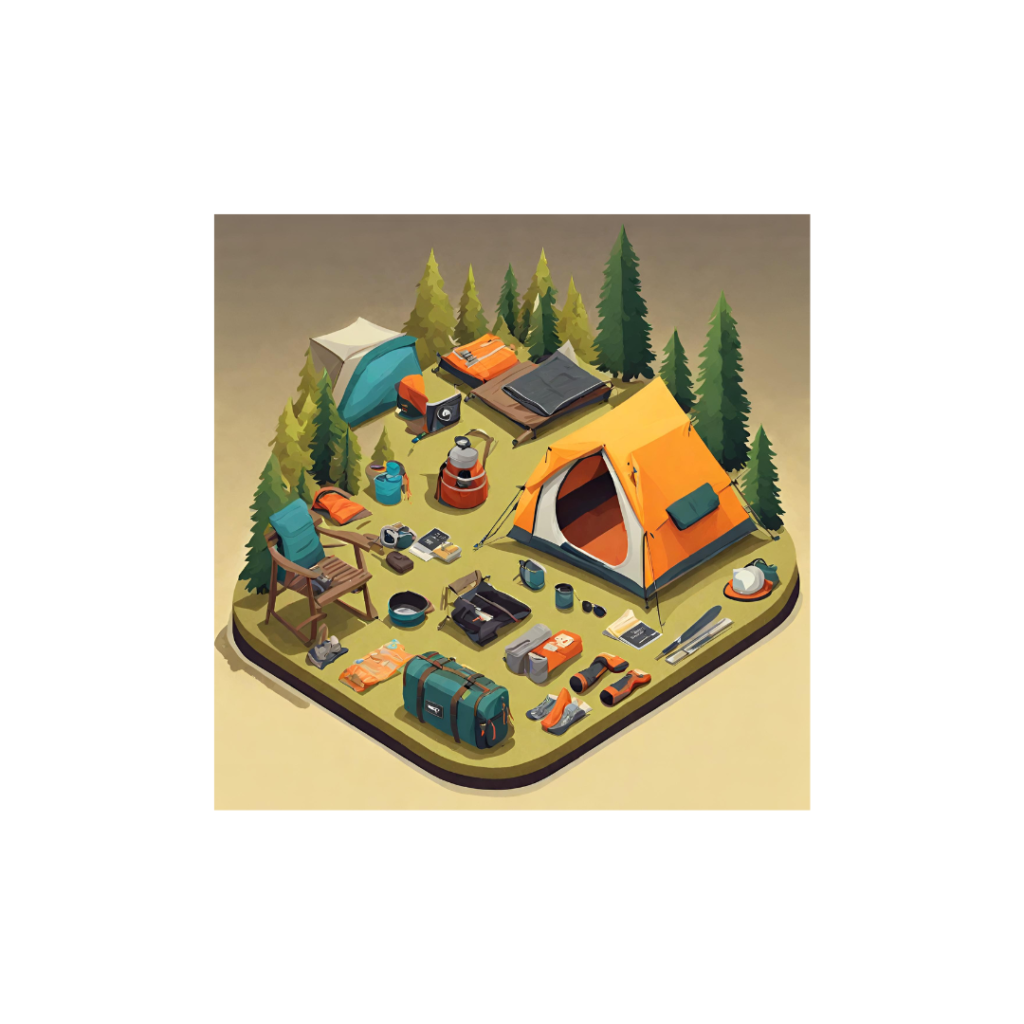
Tent: Invest in a high-quality, weather-resistant tent. Look for one that’s easy to set up and spacious enough for your group.
Sleeping Bags and Pads: A comfortable night’s sleep is key. Choose sleeping bags suitable for the climate and sleeping pads for ground insulation.
Cooking Supplies: Portable stoves, lightweight cookware, and utensils are essential. Don’t forget eco-friendly dish soap and a small scrub brush.
3. Hiking Essentials
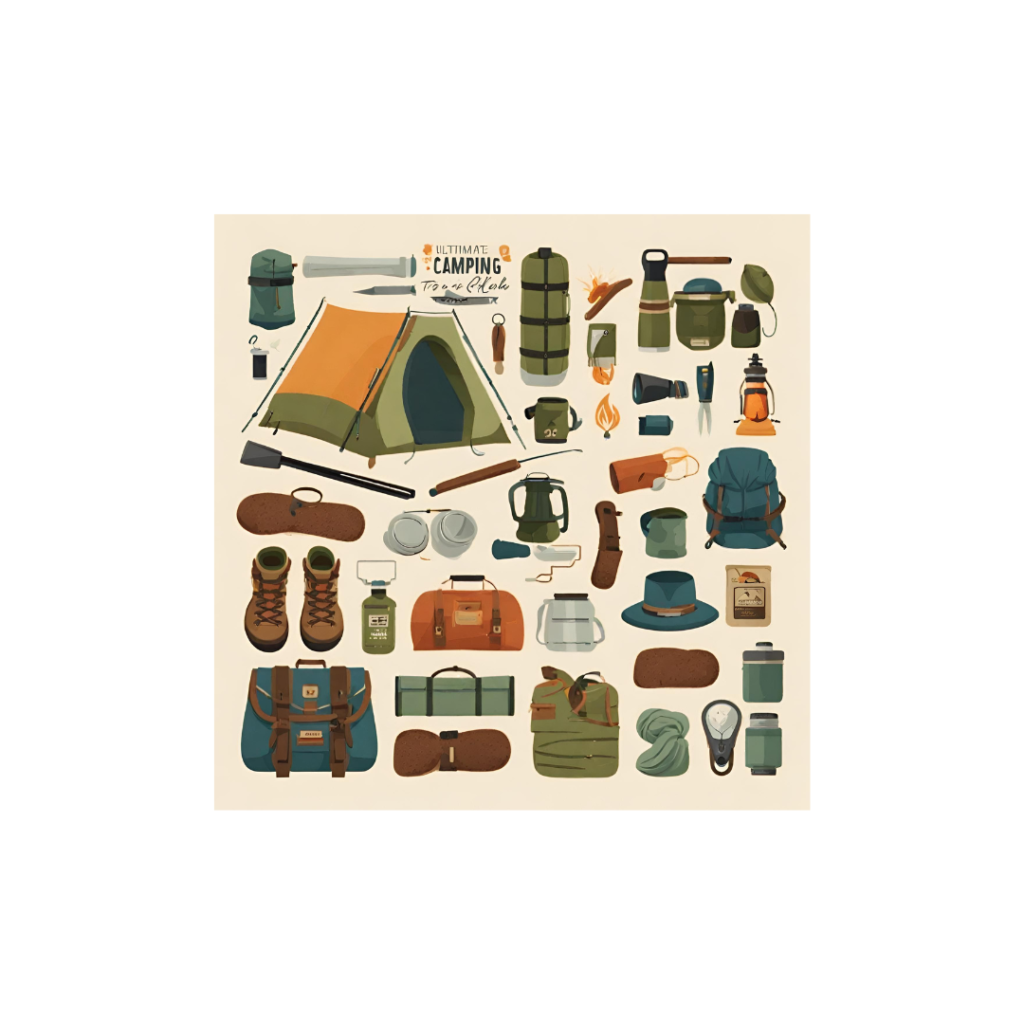
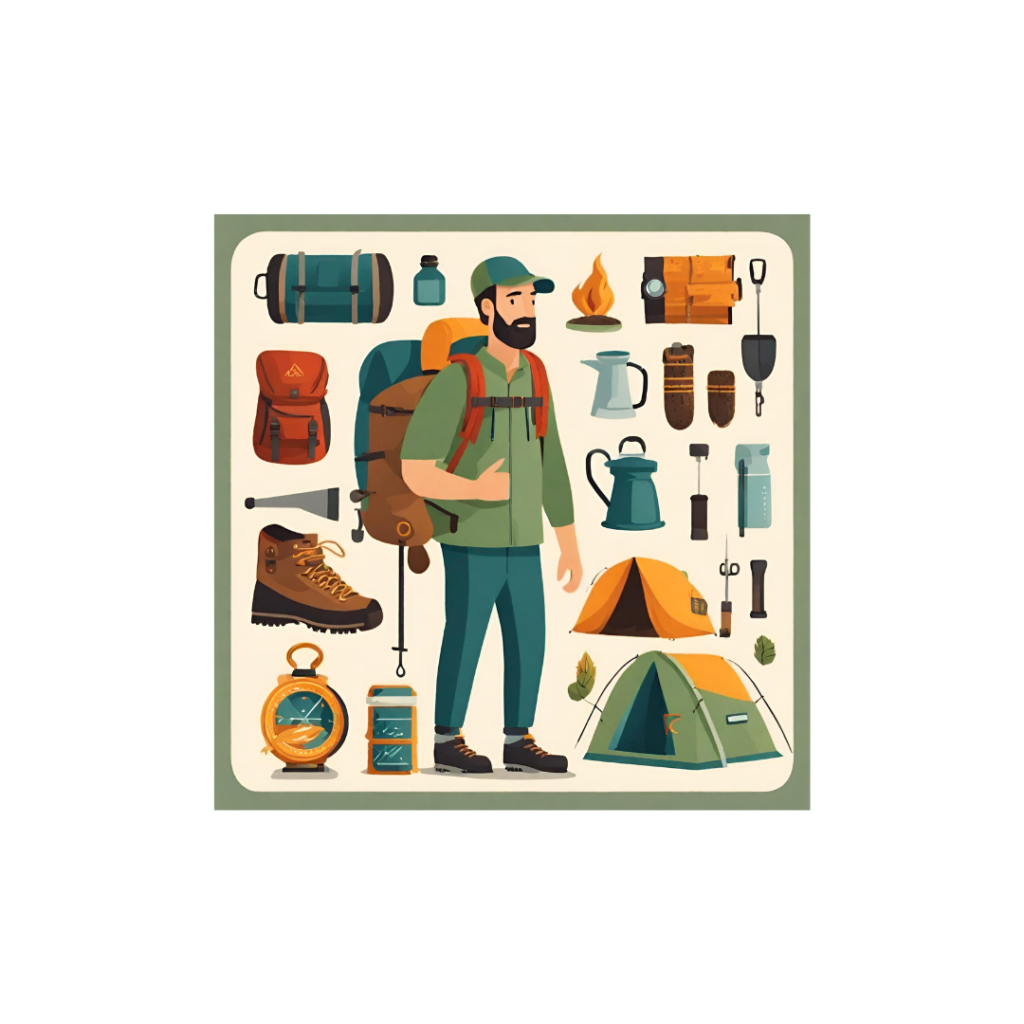
Backpack: A durable and comfortable backpack is a must. Consider the length of your hike to determine the size and features of your backpack.
Footwear: Good hiking boots or shoes are vital. They should provide support, comfort, and protection against the elements.
Clothing: Opt for layers. Include moisture-wicking undergarments, a fleece or down layer, and a waterproof outer layer.
4. Navigation and Safety
Maps and Compass/GPS: Even if you plan to use a GPS device, having a physical map and compass as backups is wise.
First Aid Kit: Customize your first aid kit based on the length of your trip and personal needs. Include medication, bandages, and antiseptic.
Emergency Gear: A whistle, multi-tool, fire starter, and emergency blanket should always find a place in your backpack.
5. Food and Hydration
Pack Nutritionally Dense Foods: Opt for lightweight, high-energy foods like nuts, dried fruits, and energy bars.
Hydration is Key: Bring enough water and a way to purify water from natural sources, like water purification tablets or a filter.
6. Leave No Trace
Respect the Environment: Follow the principles of Leave No Trace. Pack out what you pack in, and minimize your impact on the natural surroundings.
7. Personal Tips and Tricks
From my experience, always test your gear before the trip. Familiarize yourself with your tent setup, try sleeping in your sleeping bag, and break in your hiking boots. These steps can make a significant difference in your comfort and enjoyment.
Preparing for a camping and hiking trip can seem daunting, but with the right gear and a bit of planning, it can be an incredibly rewarding experience. Remember, it’s not just about reaching the destination; it’s about enjoying the journey. Happy trails!









Comments