
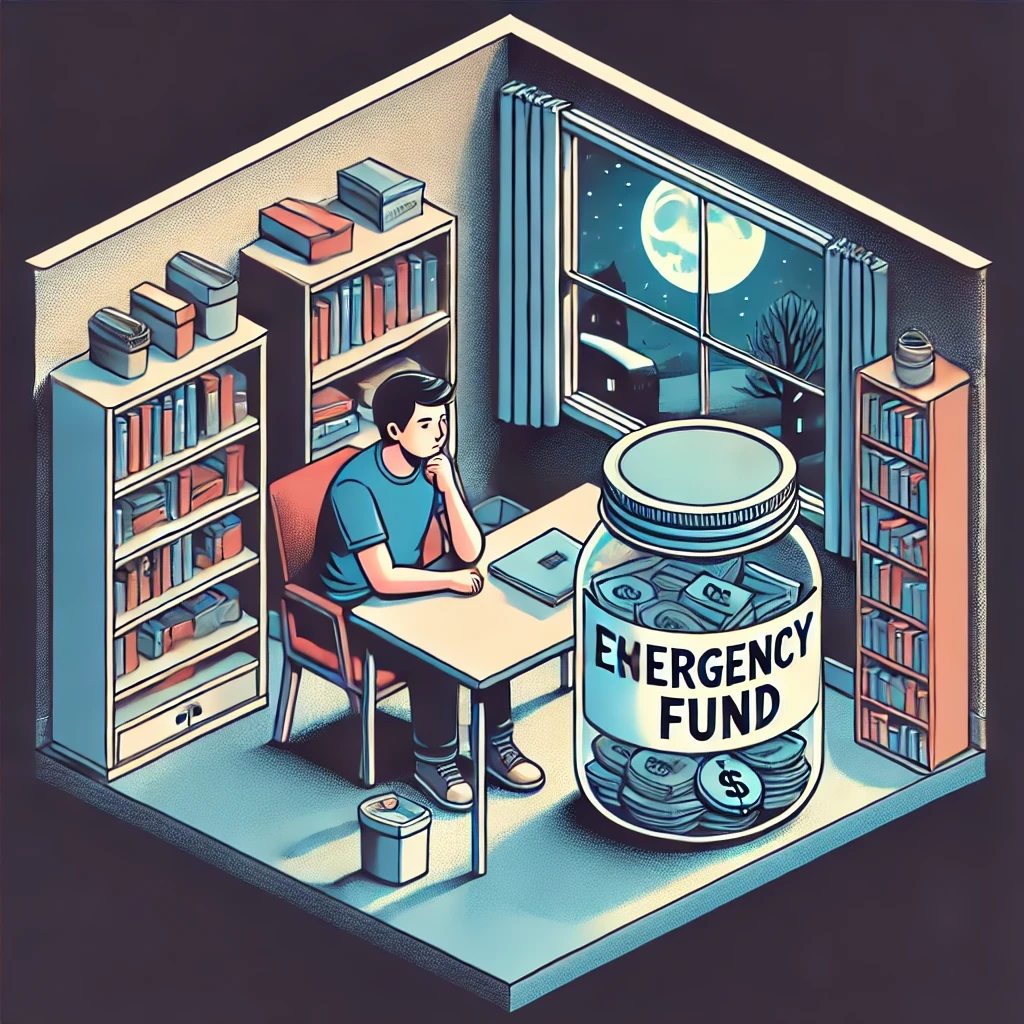
In the dim glow of an autumn evening, the thought of an emergency fund emerges like an unexpected visitor in the quiet corridors of your mind. It’s not an unwelcome guest, but one that brings a mixture of necessity and reflection. Building a personal emergency fund is not just a financial safeguard; it’s a journey into the essence of your daily existence. Here are five things you must do to cultivate this essential reserve.
1. Understand Your Financial Landscape
Imagine your finances as a sprawling cityscape. Each building represents a different aspect of your monetary life: rent, groceries, leisure, savings. To build an emergency fund, you must first map this city in detail. Track your monthly income and expenses meticulously. Use a journal, a spreadsheet, or a budgeting app to chart out your financial flows. Understanding this landscape will reveal the potential for creating pockets of savings.
“Memory is like fiction; or else it’s a kind of fiction that reaches into the past.”
― Haruki Murakami, Hard-Boiled Wonderland and the End of the World
2. Set a Clear Goal
A journey without a destination is merely wandering. Determine how much you need to save for your emergency fund. Financial experts suggest setting aside three to six months’ worth of living expenses. This goal may seem daunting at first, but breaking it down into smaller, manageable targets makes it achievable. Imagine each small contribution as a brick in the foundation of a sanctuary you’re building for future uncertainties.
3. Automate Your Savings
There’s a certain magic in automation, a rhythm that flows without constant oversight. Set up an automatic transfer from your checking account to a designated savings account. This practice ensures consistency and removes the temptation to skip contributions. It’s like setting a metronome to the beat of your financial prudence, creating harmony in your savings routine.
4. Cut Unnecessary Expenses
Every city has its abandoned buildings and underutilized spaces. Similarly, your financial landscape may have unnecessary expenses that drain resources without adding value. Scrutinize your spending habits and identify areas where you can cut back. Cancel unused subscriptions, dine out less frequently, or find cost-effective alternatives for your daily needs. These adjustments can significantly accelerate your savings.
5. Protect and Grow Your Fund
An emergency fund is a living entity that needs protection and growth. Choose a high-yield savings account or a money market account to store your fund. These options offer better interest rates than regular savings accounts, ensuring your money grows steadily over time. Additionally, avoid tapping into your emergency fund for non-emergencies. Discipline and restraint are key to preserving this crucial safety net.
“It’s like Tolstoy said. Happiness is an allegory, unhappiness a story.”
― Haruki Murakami, Kafka on the Shore
Conclusion
Building a personal emergency fund is an exercise in foresight and discipline, a silent promise to your future self. It’s about crafting a financial haven amidst the uncertainties of life. As you navigate this journey, remember that each step taken is a testament to your resilience and wisdom. The tranquil assurance of an emergency fund is akin to the quiet comfort found in the pages of a Murakami novel, a blend of the surreal and the profoundly real.









Comments