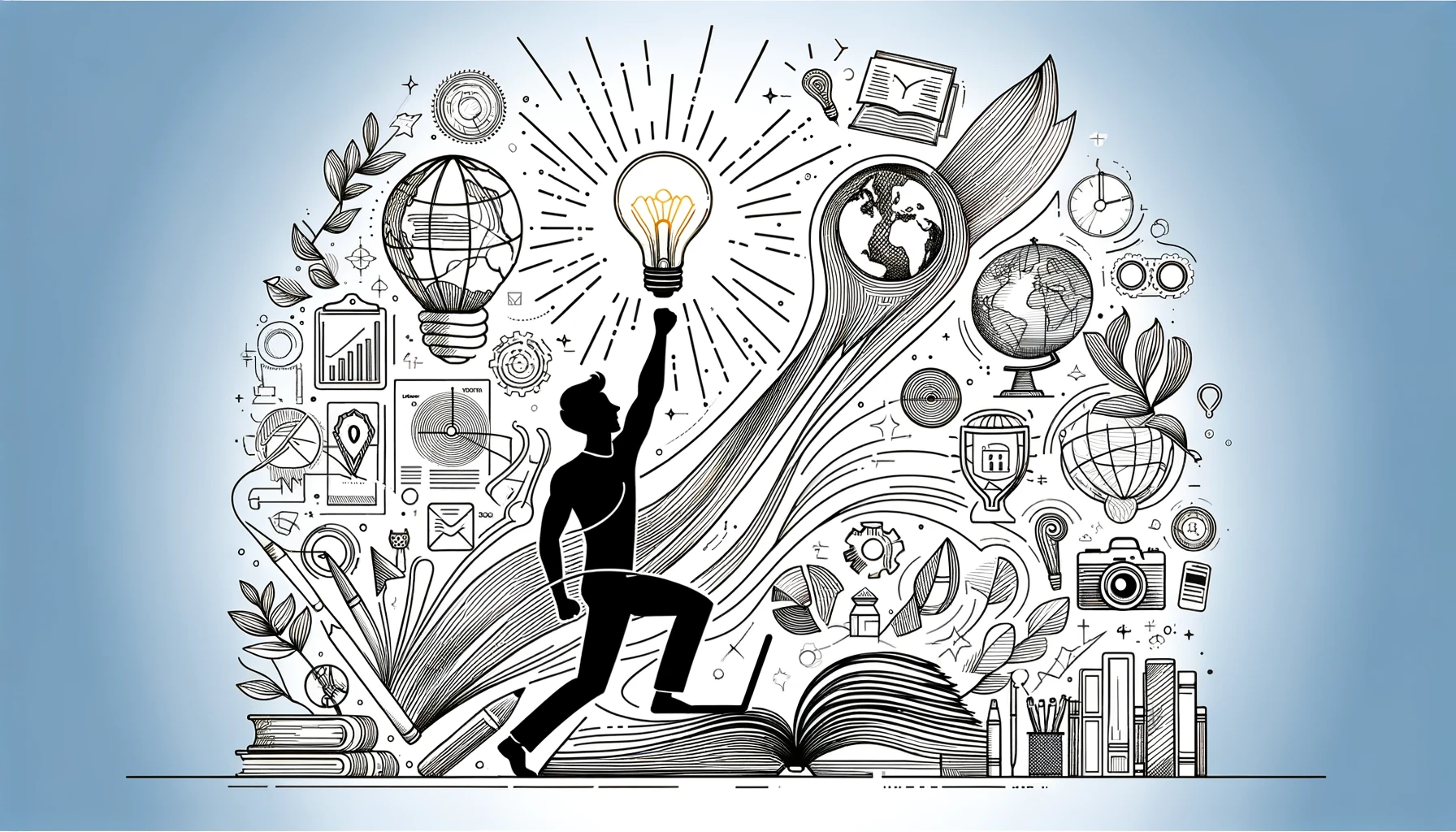
My Experience
Embarking on a quest to master a new language, I encountered a familiar foe: the overwhelming feeling of making slow progress despite hours of study. This struggle led me to a pivotal realization – efficiency in learning is not solely about the quantity of time spent, but rather the quality of that time. My breakthrough came when I shifted my focus towards active learning techniques, such as engaging in conversations with native speakers and incorporating the language into my daily routines. This personal journey not only accelerated my language acquisition but also transformed my approach to learning in all realms.

The Foundation of Efficient Learning
Learning efficiently is a skill that can significantly enhance personal and professional development. In an age where information is abundant, the ability to absorb and retain knowledge effectively is invaluable. Here are some strategies to improve your learning efficiency:
- Set Clear Goals: Establishing specific, achievable objectives gives your learning process direction and purpose. Whether it’s mastering a new software or understanding a complex concept, clear goals help you focus and measure progress.
- Embrace Active Learning: Passive reading or listening is less effective than engaging with the material. Techniques like summarizing information in your own words, teaching concepts to someone else, or applying knowledge in practical scenarios enhance retention.
- Utilize Spaced Repetition: This learning technique involves reviewing material over increasing intervals of time. It leverages the psychological spacing effect, improving long-term memory retention.
- Foster a Growth Mindset: Believing that your abilities can be developed through dedication and hard work can make you more resilient and open to learning. Embrace challenges and learn from feedback.
- Optimize Your Learning Environment: Minimize distractions and create a conducive learning environment. A well-organized, quiet, and comfortable space can improve focus and efficiency.
- Leverage Technology: Various apps and online platforms offer interactive and personalized learning experiences. Utilize these tools to access diverse resources and track your learning progress.
- Practice Mindfulness: Being present and mindful can enhance concentration and mental clarity, making learning sessions more productive. Techniques like meditation can help in developing this skill.
- Seek Feedback: Constructive feedback can provide new perspectives and insights, helping you understand areas for improvement. Don’t hesitate to ask for feedback from mentors, peers, or through self-assessment.
- Reflect Regularly: Take time to reflect on what you’ve learned and how you’ve learned it. This can help you identify effective strategies and areas where you can improve your approach.
- Stay Curious: Cultivate a love for learning by exploring new subjects and challenging yourself. Curiosity drives engagement and makes the learning process enjoyable and fulfilling.

In Conclusion
Improving learning efficiency is a dynamic and personal process. What worked for me in mastering a new language might be different from what works for you. The key is to experiment with various strategies, find what suits your learning style, and be adaptable to change. Remember, efficiency in learning is not just about saving time; it’s about making the most of every learning opportunity to achieve your goals and expand your horizons.









Comments