Introduction
My Experience
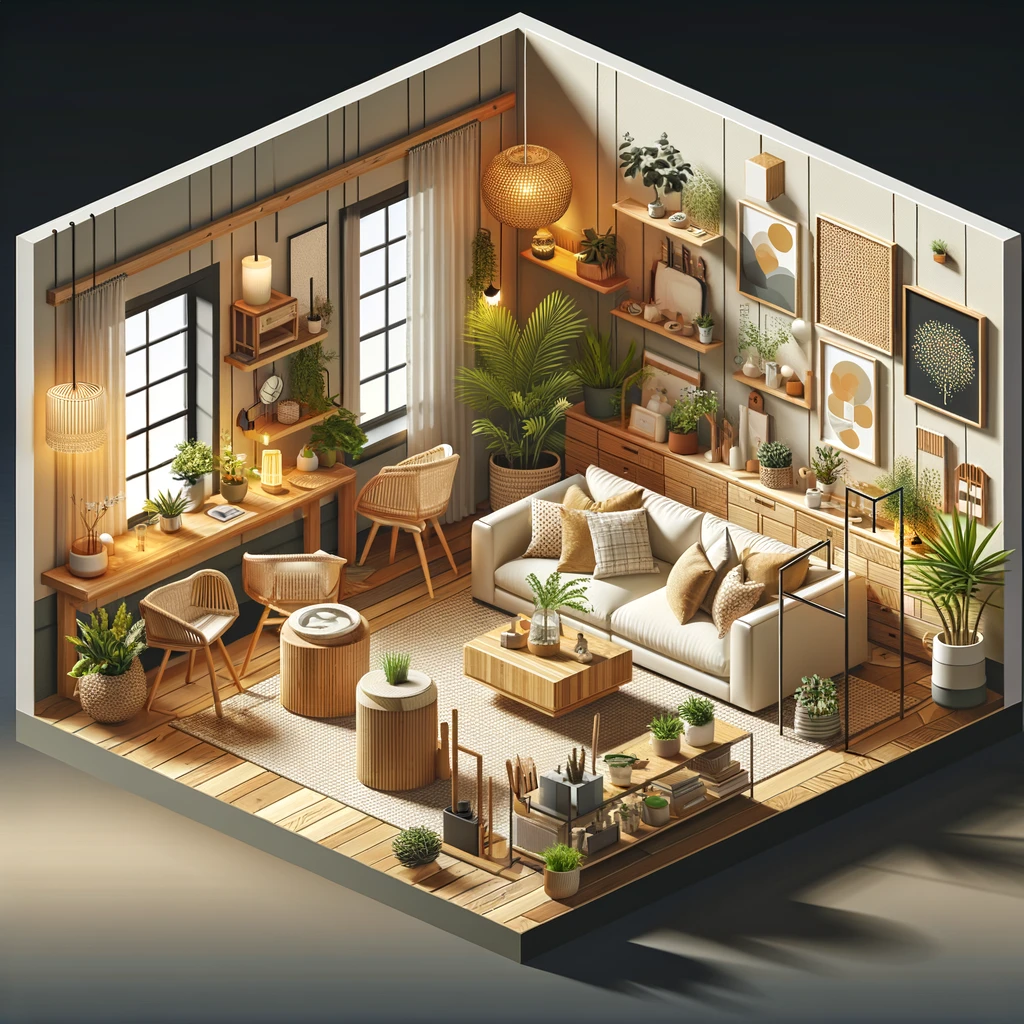
As someone who recently embarked on the journey of redesigning my home, I discovered a profound connection between interior design and an eco-friendly lifestyle. The realization hit me when I found myself at a quaint, locally-owned furniture store, eyeing a beautifully crafted, reclaimed wood coffee table. This piece wasn’t just a potential addition to my living room; it symbolized a shift in my mindset towards sustainability in home decor. My journey towards a more eco-conscious lifestyle began with that single purchase, leading me down a path of discovering how our living spaces can not only look beautiful but also positively impact the environment.
1. Choose Sustainable Materials
Opt for furniture and decor made from sustainable, renewable, or recycled materials. Bamboo, cork, and reclaimed wood are excellent choices. These materials are not only environmentally friendly but also add a unique and natural aesthetic to your home.
2. Embrace Energy-Efficient Lighting
Switch to LED bulbs and consider installing skylights or larger windows to maximize natural light. Energy-efficient lighting reduces your carbon footprint and can also create a warm, inviting atmosphere in your home.
3. Invest in Eco-Friendly Paint
When it’s time to refresh your walls, choose paint with low or no volatile organic compounds (VOCs). These paints are better for the environment and your health, as they emit fewer harmful chemicals.
4. Incorporate Plants into Your Decor
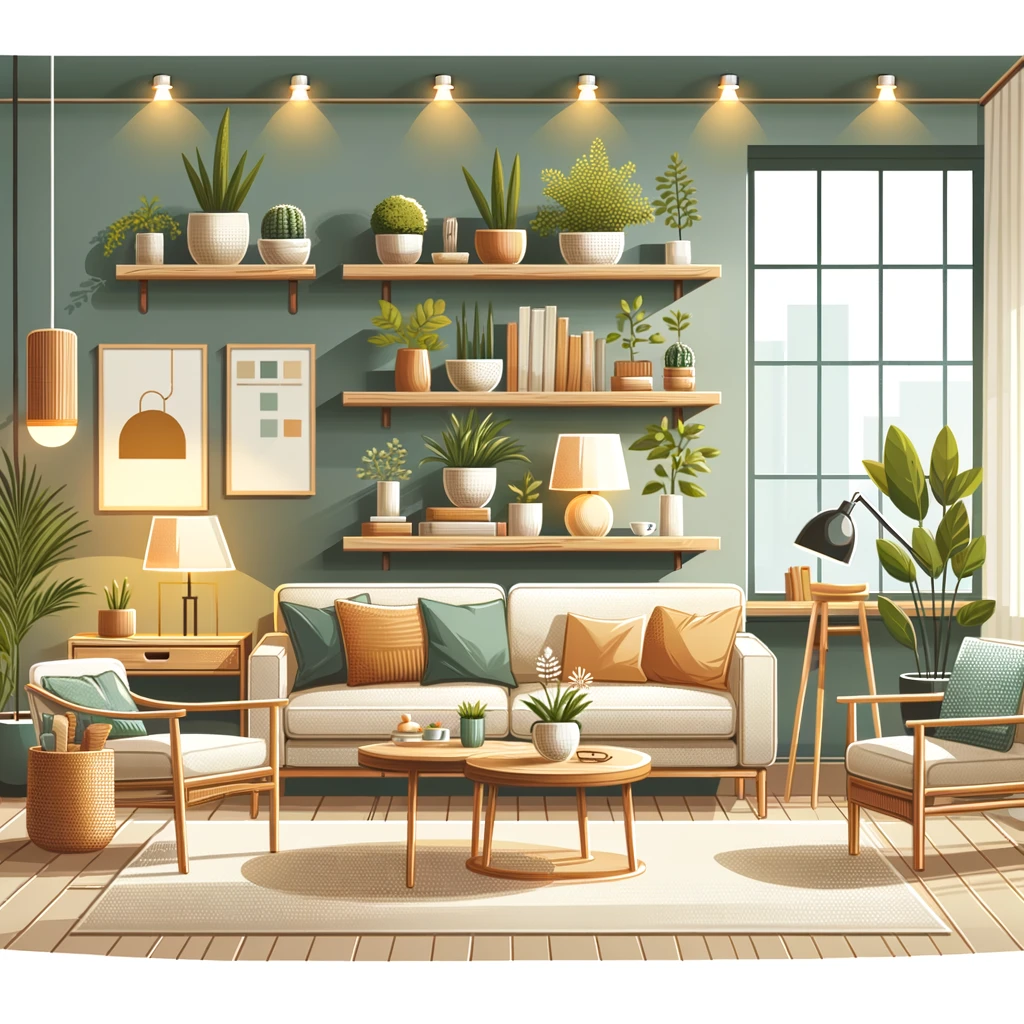
Indoor plants purify the air and add a lively touch to your interior. They also promote a sense of well-being and can improve your mood. Choose local species that require less water and maintenance.
5. Utilize Natural Fabrics
For upholstery, curtains, and linens, opt for natural fabrics like organic cotton, linen, or hemp. These materials are renewable and biodegradable, making them a great choice for an eco-friendly home.
6. DIY and Upcycle
Before buying new, see if you can repurpose or upcycle existing items. DIY projects can be a fun way to personalize your space while reducing waste. For example, turning old jars into vases or planters.
7. Shop Locally
Support local artisans and reduce your carbon footprint by shopping for home decor items locally. Handmade pieces not only add character to your home but also help sustain local economies.
8. Be Mindful of Energy Consumption
Invest in energy-efficient appliances and be conscious of your energy use. Smart thermostats and energy-saving appliances can make a big difference in your home’s overall energy consumption.
Conclusion
Embracing an eco-friendly lifestyle through interior design is a fulfilling and impactful journey. As I sit here, sipping my morning coffee at my reclaimed wood table, I’m reminded daily of the importance of making sustainable choices. Your home is not just a reflection of your personal style; it can also be a testament to your commitment to the environment. Start small, and remember, every eco-friendly choice contributes to a larger positive impact on our planet.









Comments