
Introduction

My Experience
I still remember the day I stepped into the world of smart home automation. It was a chilly winter morning, and I was rushing to get to work. As I scrambled out the door, I realized I’d forgotten to turn off the lights and adjust the thermostat. Frustrated, I imagined how much easier life would be if I could control these things remotely. That’s when I decided to dive into the realm of smart home technology. My journey began with a simple smart thermostat and has since expanded to include a wide array of devices that have not only made my life more convenient but also more energy-efficient and secure.

The Essentials of Smart Home Automation
Smart home automation is revolutionizing how we interact with our living spaces. It involves the use of technology to automate household systems like lighting, heating, air conditioning, and security. This automation is designed to provide enhanced convenience, comfort, efficiency, and security.
1. Convenience and Control
The most immediate benefit of smart home technology is convenience. With the help of a smartphone or voice assistant, you can control various aspects of your home from anywhere in the world. For instance, smart lighting systems allow you to adjust lighting levels or turn off forgotten lights remotely. Similarly, smart locks provide the ability to lock or unlock doors without physical keys.
2. Energy Efficiency and Cost Savings
Smart home devices are not just about convenience; they also play a significant role in energy conservation. Smart thermostats learn your heating and cooling preferences, adjusting themselves to optimize energy use. This not only reduces your carbon footprint but also translates into substantial savings on utility bills.
3. Enhanced Security and Safety
Security is another crucial aspect of smart home automation. Devices like smart cameras and motion sensors offer real-time monitoring and alerts, enhancing home security. Moreover, smart smoke detectors and water leak sensors contribute to safety, alerting homeowners to potential hazards.
4. Personalization and Accessibility
Smart home systems can be tailored to suit individual needs, making them highly personalizable. For seniors or individuals with disabilities, these systems offer increased accessibility, making it easier to control various aspects of their home environment.
Looking Ahead: The Future of Smart Home Automation
The future of smart home automation is bright and filled with possibilities. With advancements in AI and IoT, these systems are becoming more intuitive and capable of learning from user behaviors, leading to even more personalized experiences. Furthermore, as more devices become interconnected, the potential for a fully integrated smart home ecosystem is on the horizon.
Conclusion
My journey into smart home automation started with a simple desire for convenience, but it has since opened my eyes to the myriad of benefits these technologies offer. From energy savings to enhanced security, the advantages of smart home automation are numerous. As the technology continues to evolve, I look forward to seeing how it further transforms our daily lives.
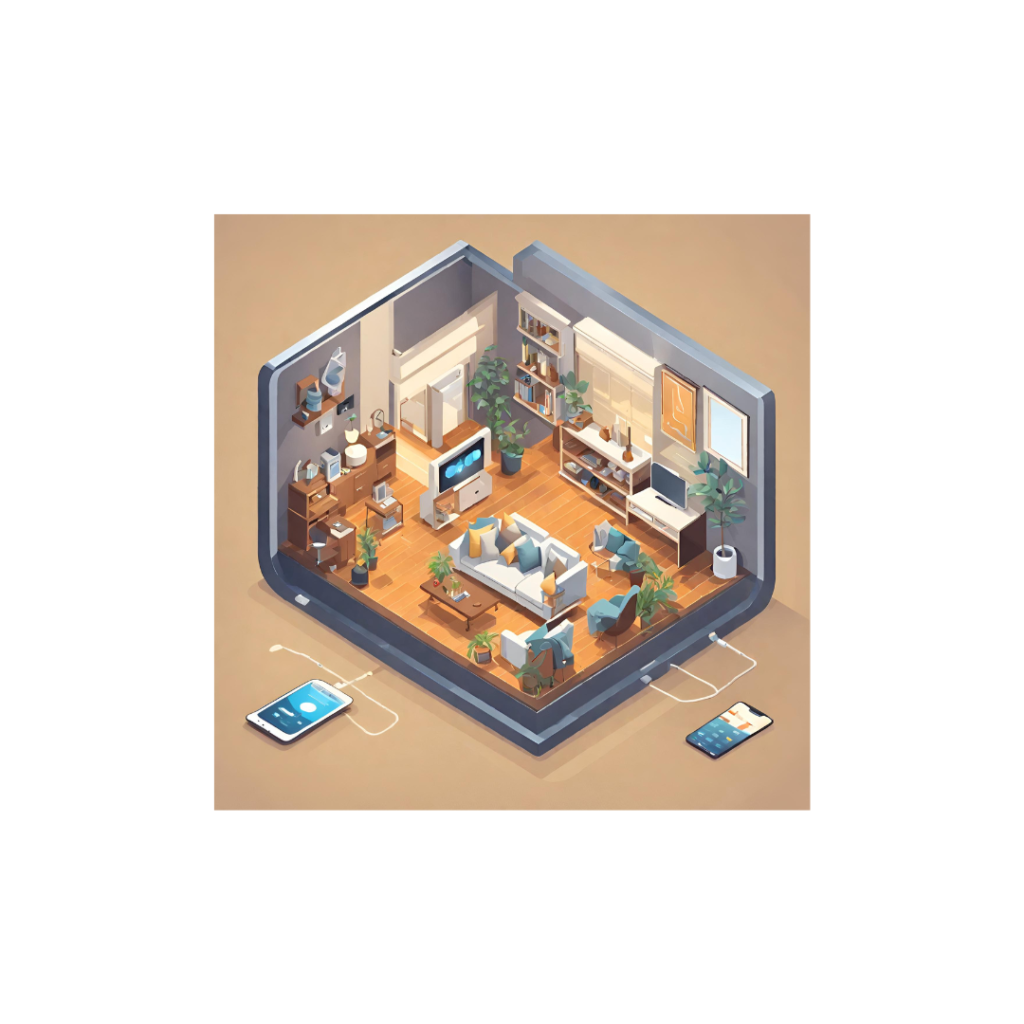
Remember, the journey into smart home automation can start with just one device. As I found, it’s not just about the convenience; it’s about creating a home that’s efficient, secure, and tailored to your lifestyle. Welcome to the future of living!









Comments