
Introduction:
In modern society, environmental considerations are increasingly imperative. However, many people tend to think that living an eco-friendly life is cumbersome and difficult. In reality, there are numerous things that each one of us can do for the planet, starting with small steps. In this article, we’ll introduce some easy-to-adopt eco-friendly tips and tricks for everyday life.

My Experience: I remember the first step vividly – recycling. It began with the simple act of disposing of used paper, plastic, and glass products into designated recycling bins. This initial change served as the catalyst for raising my environmental awareness in everyday life.
Next, I opted for energy-efficient appliances, which helped me realize the benefits of saving on electricity bills and reducing my ecological footprint. The introduction of LED light bulbs, in particular, highlighted how making choices that minimize energy waste can be an environmentally friendly decision.
Transitioning from commuting by car to cycling was another significant change that brought about a positive impact in my eco-friendly journey. My Experience: Breathing in fresh morning air during my bike commutes not only reduced stress but also contributed to my overall well-being.
From these experiences, I learned that embracing an eco-friendly lifestyle can start with small steps, which, when accumulated, lead to significant changes. Now, I actively take steps to build a sustainable future and continually experience the fulfillment of contributing to the environment. In this blog post, I will introduce hacks and ideas for achieving an eco-friendly lifestyle. By putting these tips into practice, you too can make a positive contribution to the environment and adopt a sustainable way of living.
- Choose Eco-Friendly Transportation
Rethinking our mode of transportation is a good start. Using public transport instead of cars, biking, or walking are excellent methods to reduce per capita carbon emissions significantly. Car-sharing and ride-sharing are also effective. Setting aside one day a week as a “No Car Day” can be a conscious way to alter our transportation habits.
- Practice Energy Saving
Reducing energy consumption at home can bring significant environmental and economic benefits. Switching to LED bulbs, turning off unnecessary lights, and using energy-efficient appliances are basics. Also, using a power strip to turn off multiple devices at once can reduce standby power consumption. - Reconsider Water Usage
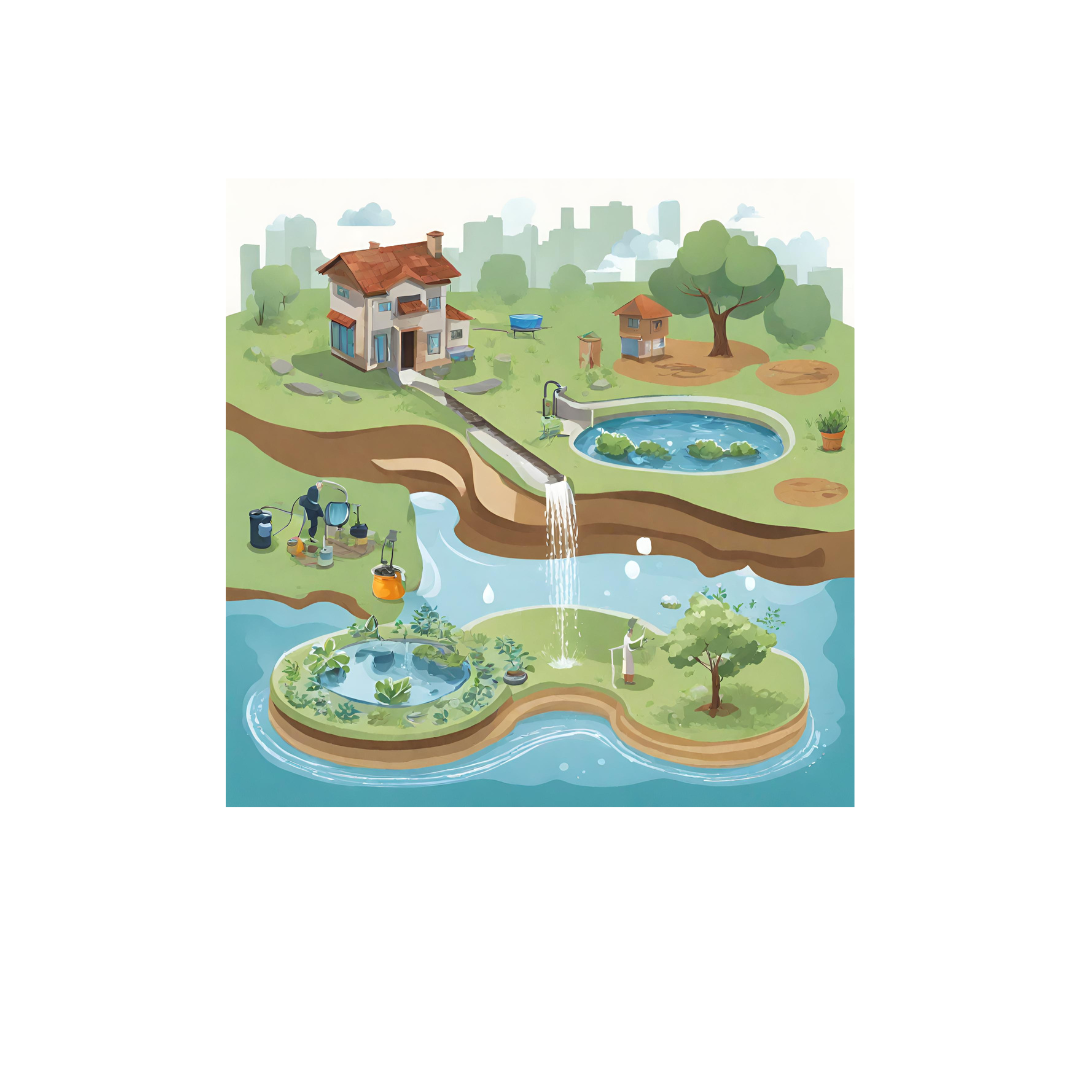
Water is a precious resource. Shortening shower times, not leaving the water running while brushing teeth, and using water-saving toilets and showerheads are efforts we can make in our daily lives to reduce wastage. - Reduce Plastic
Cutting down on plastic consumption is critical to mitigating marine pollution. Choose reusable bags made of cloth or other sustainable materials over single-use plastics, and opt for reusable containers instead of plastic wrap or bags for food storage. - Support Local Produce
Buying locally-produced food not only reduces carbon emissions associated with transportation but also supports local farmers. Choosing seasonal ingredients allows for the enjoyment of fresh food produced in harmony with nature’s rhythms. - Promote Zero Waste
Aim to produce as little waste as possible. Buy only what you need, choose products that aren’t disposable, and extend the life of items through repair and reuse. Also, be mindful of the amount of food you buy and utilize leftovers to minimize food wastage. - Increase Greenery
Growing plants at home can improve air quality and boost your mood. Additionally, if possible, starting a kitchen garden to self-produce some of your food is another step towards an eco-friendly lifestyle. - Be Conscious with Digital Usage
The increasing use of emails and cloud services leads to higher energy consumption by data centers. Deleting unnecessary emails and keeping data storage in check can help minimize environmental impact. - Education and Community Activities
Learning about and sharing information on eco-friendly living with friends and family is also crucial. Participating in local clean-ups or recycling programs can help raise environmental awareness in the community.


Conclusion:
Practicing an eco-friendly lifestyle may seem daunting at first, but as we have shown, it is possible to start with small changes. By incorporating each of these tips and tricks into our lives, we can reduce the burden on the environment and contribute to a more sustainable society. The conservation of our planet’s environment is built upon the collective efforts of each individual. Let’s start making earth-friendly choices from today.






Comments