In today’s society, often referred to as “stressful,” we are constantly surrounded by various forms of stress. One of these is the physical clutter that can accumulate in our surroundings. Decluttering, or the act of parting with unnecessary items, holds more significance than just tidying up. It’s a step towards reclaiming peace of mind and moving towards a stress-free life.
My Personal Experience
I myself once lived a life overwhelmed with possessions. My room was always messy, and I frequently had no idea where anything was. This situation heightened my stress levels and negatively impacted my daily life. One day, something clicked inside me, a realization that this couldn’t go on, and I decided to embark on a decluttering journey.
I started with small steps: my desk, my closet, my drawers, tackling each one by one. Reducing the number of items didn’t just make the room feel bigger; it also created space in my mind. What was particularly striking was the sense of lightness in my heart after letting go of things, and the noticeable reduction in the stress I had been feeling.
From this experience, I truly understood the effects and importance of decluttering. It’s not just about organizing the physical space; clearing out the mental clutter is also crucial for a stress-free life. Below, I will introduce some of the decluttering techniques I’ve practiced. By trying these, you too can achieve a more comfortable and pleasant living space.
Introduction: The Psychological Effects of Decluttering

Psychology emphasizes the impact of our environment on our mental state. A cluttered room can easily lead to psychological stress, decreased concentration, and a worsened mood. Conversely, an organized environment brings calmness to the mind and can lead to increased productivity.
Techniques for Decluttering
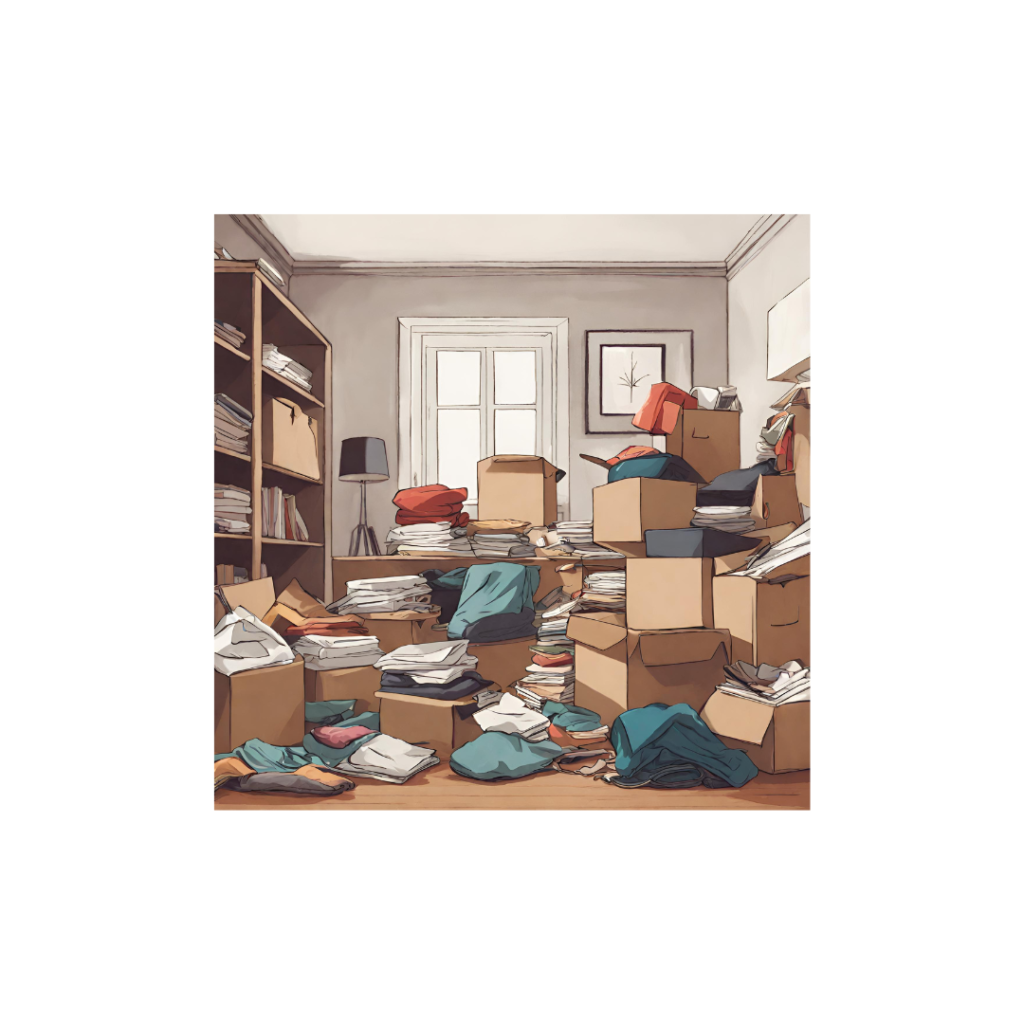
There are various methods of decluttering, and here we introduce some effective techniques.
1. The 5-Minute Rule
Starting with small, consistent steps, the “5-Minute Rule” is suitable for making decluttering a habit. Dedicate just five minutes each day to tidy up a section of your desk or a corner of a room. This helps gradually clear out not only the physical space but also the mental clutter.
2. Create a Checklist
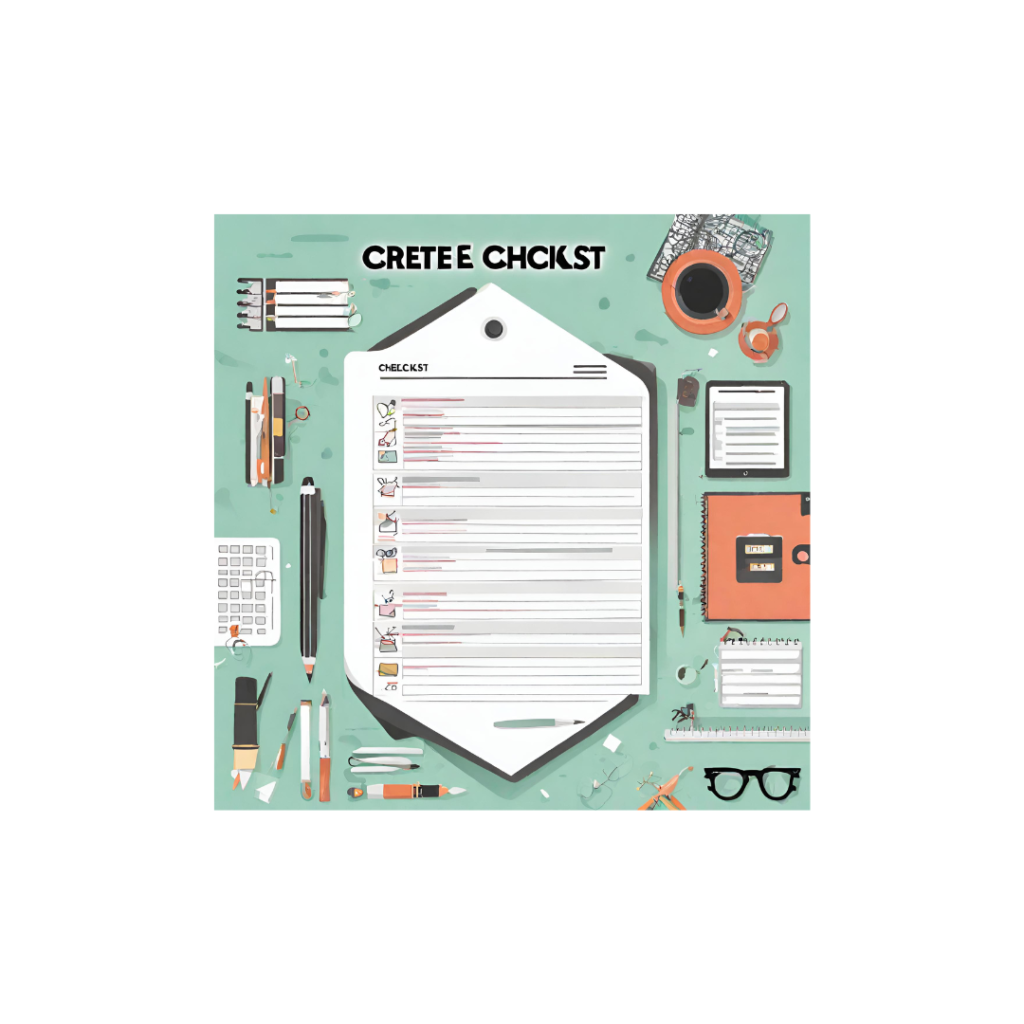
Having a clear plan of what to tidy and where to place things is crucial. Use a checklist to determine categories of items to be organized and proceed to check them off one by one.
3. Capsule Approach
Focus on the essentials and eliminate the rest through “capsulization.” For instance, with clothing, keep only the necessary items for each season in your closet, and store, donate, or sell the rest. This reduces the number of choices and, subsequently, the stress of making decisions daily.
4. KonMari Method
Developed by Marie Kondo, a world-renowned organizing consultant from Japan, the KonMari Method involves holding items and asking oneself, “Does this spark joy?” This process helps you keep only what is truly important, and with gratitude, part with the rest.
5. Digital Detox
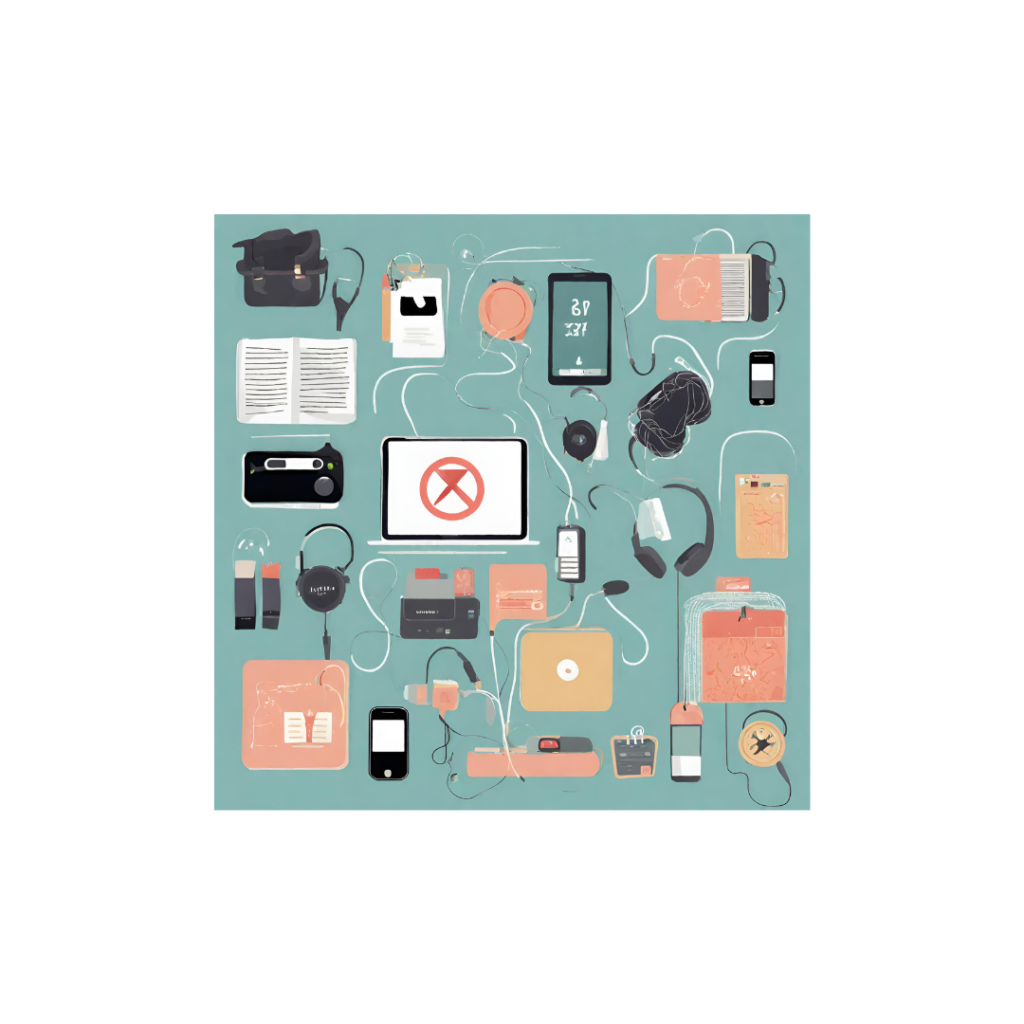
Clutter isn’t just physical; digital clutter can also be a source of stress. Regularly organizing emails and applications and limiting device usage can reduce mental clutter.
6. Visualization
Organizing items visually can clear up the space more effectively. Use storage boxes to categorize items and label them, which can reduce the time spent searching for things and help maintain peace of mind.
7. Object Narratives
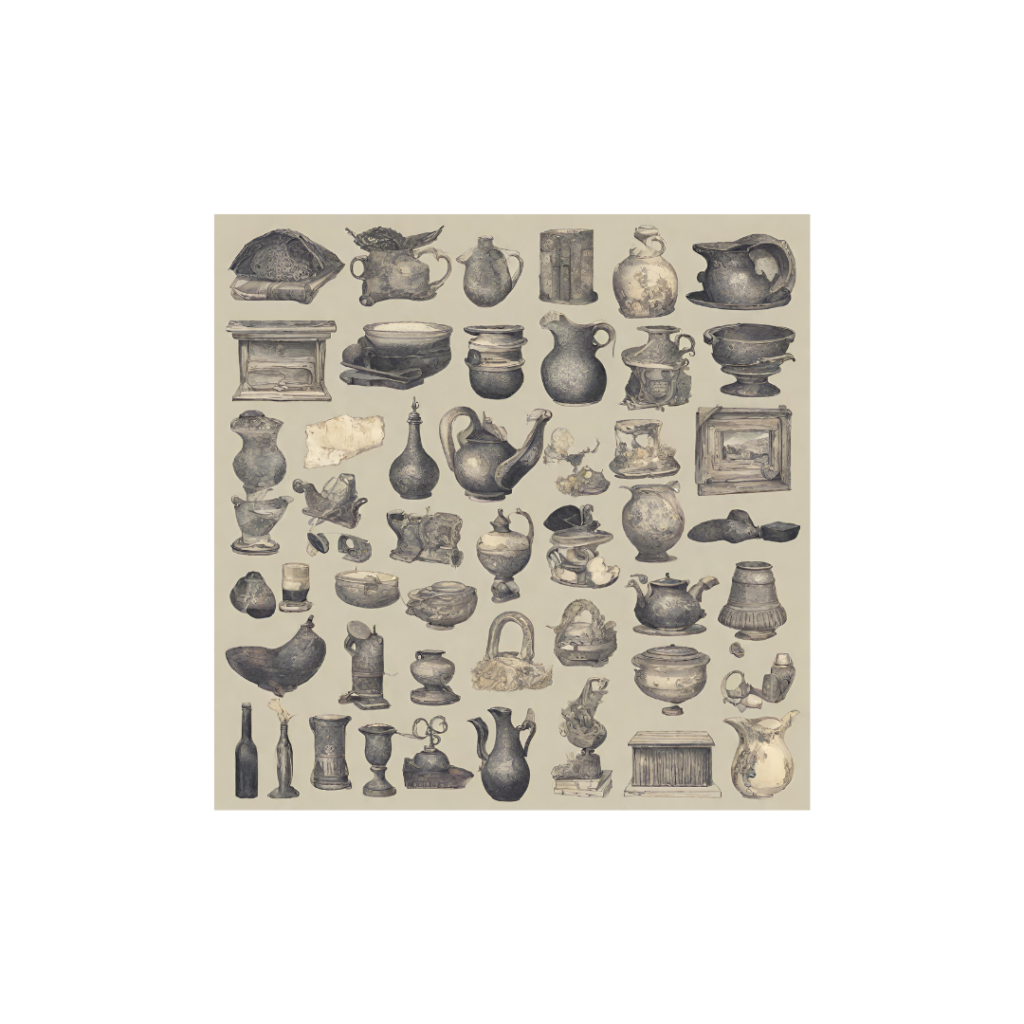
Give your possessions stories. Reflecting on the memories or meanings associated with them helps in discerning what is truly valuable. Pass on the less significant items so they can start new narratives with someone else.
8. Time Capsule Method
Adopt the mindset, “If I haven’t used it in a year, I don’t need it.” Store items in a box as if it were a time capsule, and if they remain unused after a set period, you can let them go.
9. Minimalist Mindset
Embracing the minimalist approach of living with only the essentials rather than an abundance of possessions can help in letting go of attachments and aiming for a simpler life.
10. Schedule Decluttering Sessions
Setting specific times, like “the first Saturday of every month for decluttering,” can help make it a routine. Regular checks prevent the accumulation of items.
Conclusion
Decluttering is more than just getting rid of things; it’s a process of managing stress and nurturing a rich inner life. The stability gained from an orderly physical space can be a significant step towards a stress-free lifestyle. Implement the techniques discussed in this article to create a comfortable space and significantly reduce the amount of daily stress. Find the decluttering method that suits you best and work towards a tidy and refreshing environment for both your mind and your surroundings.







Comments