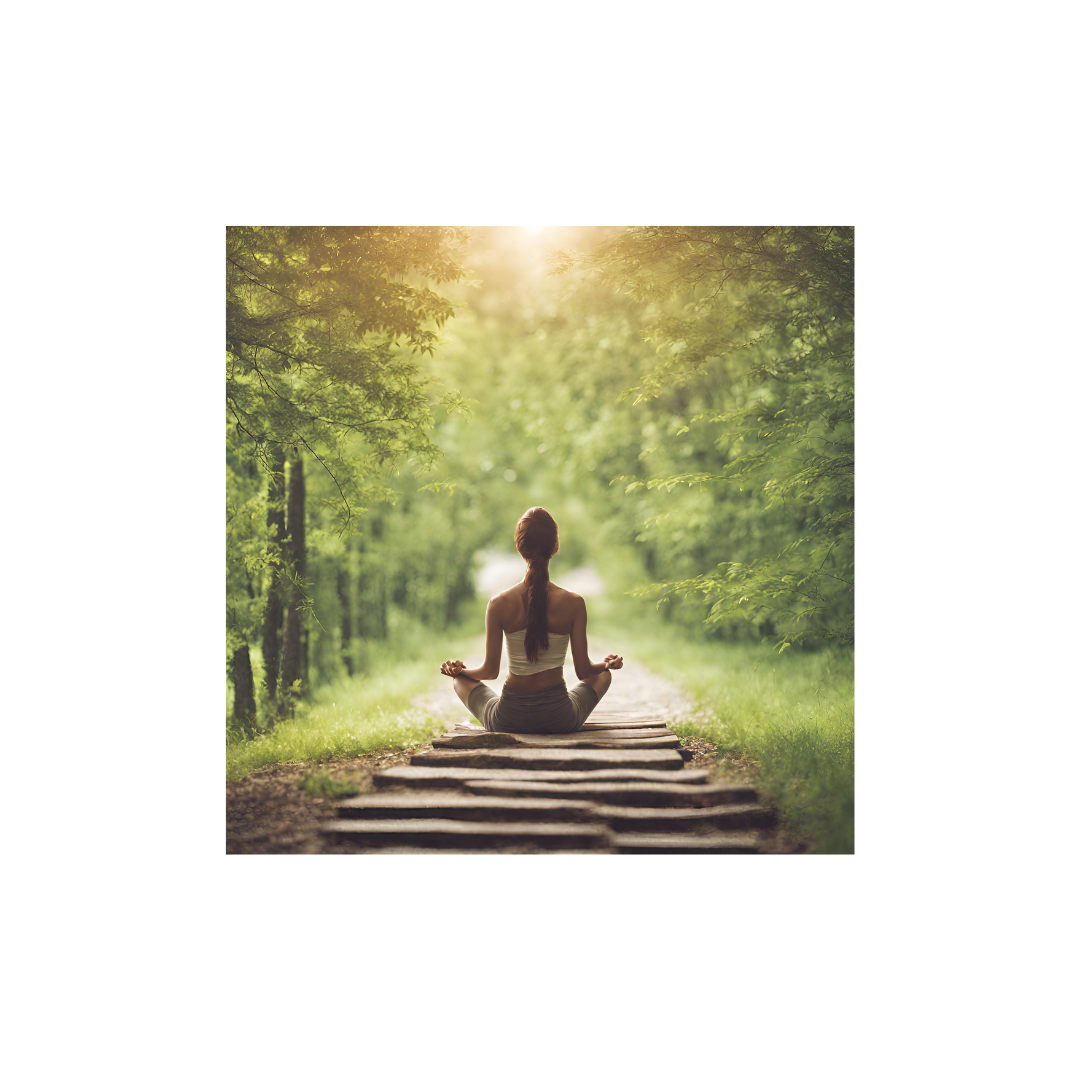
Stress is an inevitable phenomenon for those of us living in modern society. Work pressures, relationship issues, and anxiety about the future are just a few of the myriad causes of stress. However, by learning how to effectively manage stress and adopting relaxation techniques, we can maintain our mental and physical health and improve our quality of life. This article will introduce several relaxation techniques that are easy to incorporate into daily life.

My Personal Experience
I myself was once completely worn out, both mentally and physically, due to daily stress. The pressure from work was particularly overwhelming, leading to many sleepless nights. However, when I tried deep breathing and mindfulness meditation, I was amazed at how much it calmed my mind. Since then, these relaxation techniques have become indispensable in my daily life. Especially at the end of a busy day, I make time for myself, focusing on slow, deliberate breathing while reflecting on the day’s events. This small habit has brought significant changes to my life.
Deep Breathing
Breathing is the foundation of relaxation. Deep breathing stimulates the parasympathetic nervous system and promotes a relaxation response. Follow these steps:
1.  Sit or lie down in a comfortable position.
2.  Close your eyes, and slowly inhale through your nose for several seconds.
3.  Allow your lungs and belly to expand as you hold the air for a few seconds.
4.  Exhale slowly through your mouth, feeling your lungs and belly deflate.
Mindfulness Meditation
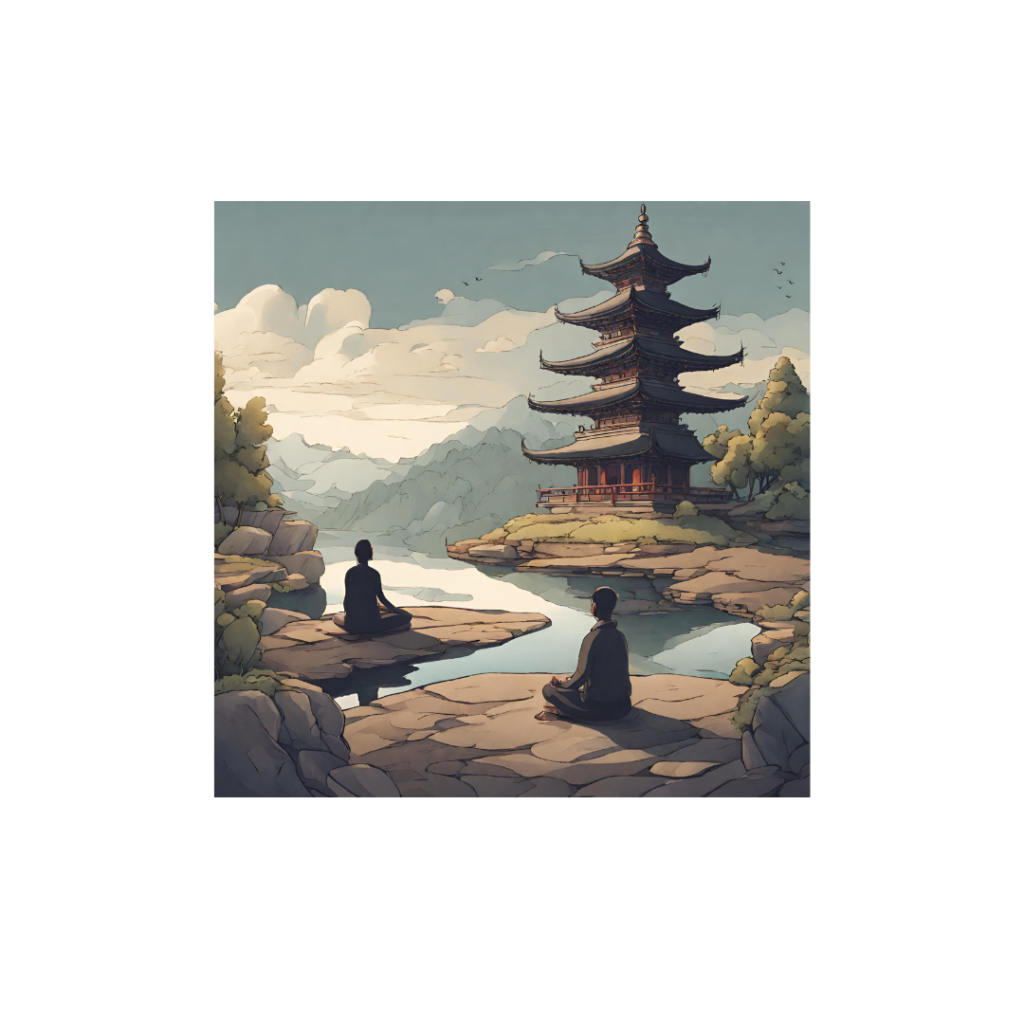
Mindfulness meditation helps reduce stress by concentrating on the moment. Try these steps:
1.  Find a quiet place and sit in a comfortable position.
2.  Take deep breaths and focus on your breathing.
3.  When your mind wanders with random thoughts, acknowledge them and return your focus to your breathing.
Progressive Muscle Relaxation
Relaxing tense muscles is incredibly effective for relaxation. With this technique, follow these steps:
1.  Find a comfortable spot and relax, taking a few deep breaths.
2.  Starting with your toes, tense then relax each muscle group in your body one at a time.
3.  As you focus on each area, alternate between tension and relaxation.
Connecting with Nature

Just being in nature can help calm the mind and relieve stress. Consider the following activities:
1.  Take a walk in the park.
2.  Try your hand at gardening or landscaping.
3.  Spend time in a place rich with natural features like mountains or rivers.
Yoga and Pilates
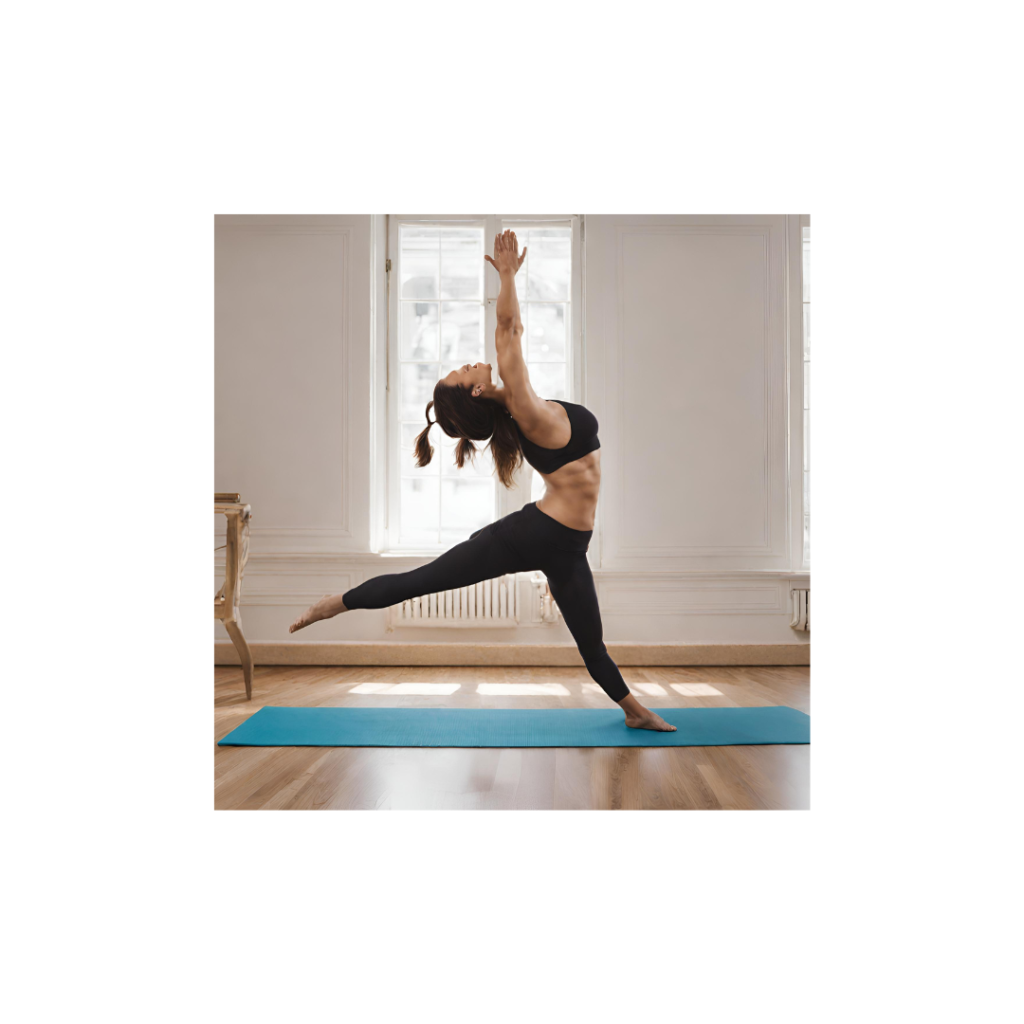
Yoga and Pilates not only increase flexibility but also contribute to mental tranquility. Join a class or try simple poses at home, such as:
1.  Cat Pose: Arch and round your back while on all fours.
2.  Child’s Pose: Sit on your heels, bend forward, and extend your arms with your forehead on the floor.
Music and Art
Listening to music or painting can unleash creativity and relieve stress. Create a relaxing playlist or draw freely to see what comes out.
Finally
These techniques are helpful for stress relief and relaxation, but their effectiveness varies from person to person. It’s important to find what works for you and incorporate it into your daily life. By actively making time for relaxation, you can manage stress effectively and protect your mental and physical health.
Digital Detox
Excessive use of technology can contribute to stress. Engaging in a digital detox by temporarily disconnecting from electronic devices can help restore peace of mind. Practice the following:
1.  Set specific times when you don’t use smartphones or computers.
2.  Avoid checking emails or using social media on holidays.
3.  Dedicate time to non-digital hobbies like reading, listening to music, or drawing.
Aromatherapy
Aromatherapy uses pleasant scents to relax the mind and body. Use essential oils or scented candles to create a relaxing atmosphere with scents like lavender, chamomile, or ylang-ylang. Consider using aromatic bath products for a warm, soothing bath.
Tea Time
Herbal teas have relaxing properties that can calm the mind. Choose calming herbs like chamomile, lavender, or lemon balm. Incorporating tea time can provide small breaks in the day for rest and rejuvenation.
Exercise and Sports
Moderate exercise can reduce stress hormones and promote relaxation. Whether it’s going to the gym, running, or playing sports, physical activity can increase the release of endorphins, often referred to as ‘happy hormones’, which elevate mood.
Quality Sleep
Sleep is crucial for stress management. To achieve quality sleep, keep in mind:
1.  Set aside time to relax at the end of the day.
2.  Limit the use of digital devices before bedtime.
3.  Create a comfortable and dark environment for sleep.
Stress Journal
Keeping a stress journal can help identify the causes of stress and find ways to cope. In the journal, write:
1.  Situations that caused stress.
2.  The emotions you felt.
3.  How you dealt with the stress.
4.  Which coping strategies were effective.
Conclusion
While stress is unavoidable, integrating the relaxation techniques mentioned above can mitigate its effects. Finding and regularly practicing the techniques that suit you best will help you manage stress effectively and lead a healthy life.
This translation presents the previously described relaxation techniques in an accessible way for English-speaking audiences. Each section is translated to maintain the informative and practical tone of the original text.






Comments