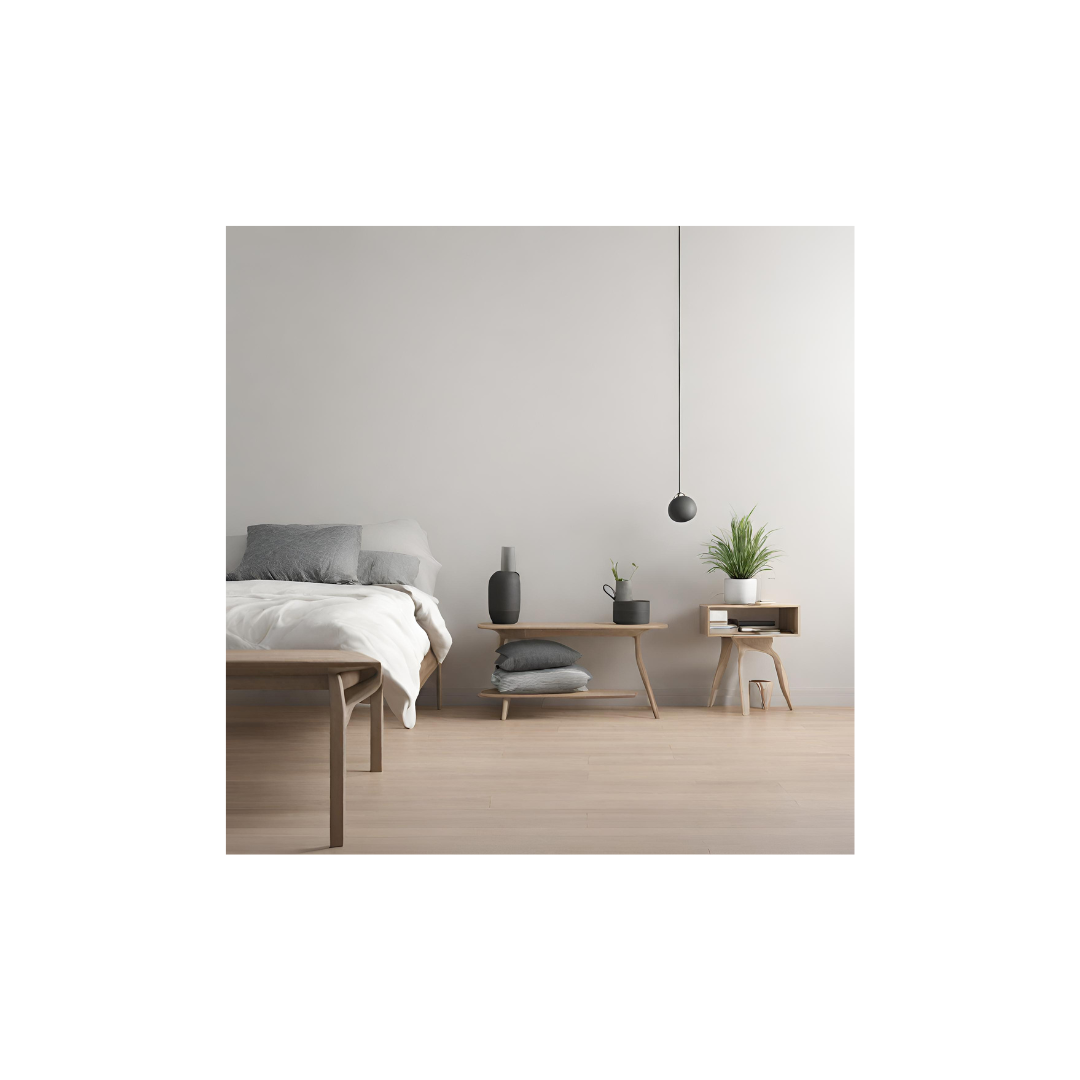
Embarking on a minimalist lifestyle begins with reducing unnecessary items and focusing on what truly matters. Here’s a step-by-step guide to transitioning into a minimalist way of living.

My Experience
Many years ago, I found myself surrounded by an excess of possessions in my daily life, which resulted in stress and dissatisfaction. In the midst of a busy life, I couldn’t help but keep acquiring more and more things, and my living space was filled to the brim. During that time, I came across articles about the minimalist lifestyle and was captivated by its philosophy. In this article, I will delve into the fundamental principles of minimalism, practical methods for implementation, and the benefits that can be derived from living as a minimalist. But first, let me share my own experience.
By embracing minimalism, I underwent remarkable changes. Beginning the process of decluttering and letting go of unnecessary items was initially challenging. However, it allowed me to expand not only my physical space but also my mental space. As my possessions diminished, I found myself with a sense of inner tranquility and reduced stress. Furthermore, by reducing my belongings, I gained financial flexibility, enabling me to focus on what truly matters in my life.
The minimalist lifestyle proved to be a luxurious experience for me. It was not just about reducing physical possessions but also about reassessing my own values. The benefits that can be derived from this lifestyle are immeasurable. Now, let’s take a closer look at the fundamental principles of minimalism.
Step 1: Self-analysis
The first step towards minimalism is understanding what you value and what you need in your life. By self-reflecting, you can discern what is truly important.
•   What do you want to spend your time on?
•   How do you want to live and what items do you want around you?
•   What do you value the most in your life?
Start by answering these questions.
Step 2: Decluttering
Becoming minimalist shapes up by decluttering. Tackle each area of your home one by one, discarding, donating, or selling items that are not needed.
•   Begin with your closet, keeping only the clothes you actually wear.
•   Re-evaluate your kitchen items, retaining only the essentials.
•   Curate your collections and decorations, keeping only what truly brings you joy.
Step 3: Changing Purchasing Habits

After decluttering, it’s crucial to be mindful not to indiscriminately accumulate new items.
•   Avoid impulsive purchases by considering if you really need the item.
•   Implement a ‘cooling-off period’ of several days before making a purchase.
•   Choose quality over quantity to prevent frequent replacements.
Step 4: Digital Minimalism
Minimalism isn’t just physical; apply it to your digital space too.
•   Delete unnecessary apps and files.
•   Reevaluate your social media use to reduce wasted time.
•   Be conscious of digital device usage, increasing offline activities.
Step 5: Time Minimalism
A minimalist lifestyle also concerns how you spend your time.
•   Review your schedule, keeping only the most important appointments.
•   Learn to say ‘no’ and avoid activities that don’t add meaning to your life.
•   Cherish leisure and relaxation time, spending it with quality.
Step 6: Pursuing a Sustainable Lifestyle
Minimalism contributes to sustainable living.
•   Choose eco-friendly products.
•   Embrace recycling and upcycling.
•   Be mindful of energy usage and strive for conservation.
Step 7: Inner Minimalism
Practice minimalism not just materially but also mentally.
•   Calm the mind with meditation or mindfulness practices.
•   Avoid accumulating stress and maintain simple thoughts.
•   Cultivate gratitude and contentment.
Step 8: Engaging with Community
Living as a minimalist affects not just the individual but also relationships with others.
•   Join minimalist communities.
•   Spend quality time with family and friends.
•   Share experiences, not things, to build deeper connections.
Step 9: Review and Adjust
Regularly review your lifestyle and make adjustments as needed.
•   Reflect on your life choices monthly.
•   If you add something new, reduce elsewhere.
•   Adapt your minimalist practices flexibly to evolving lifestyles and goals.
Step 10: The Habit of Continuity
A minimalist lifestyle is not temporary; it requires continuous effort.
•   Embed minimalist values into your everyday life.
•   Celebrate small successes to stay motivated.
•   Enjoy minimalism as a lifestyle choice.
A minimalist lifestyle offers myriad benefits, from material to mental aspects. Through this process, you can identify what’s essential for you and lead a more meaningful life. Simplified living may bring peace of mind, time freedom, and financial savings. The journey to minimalism is unique for everyone, but this guide can serve as an aid in your voyage.


Comments